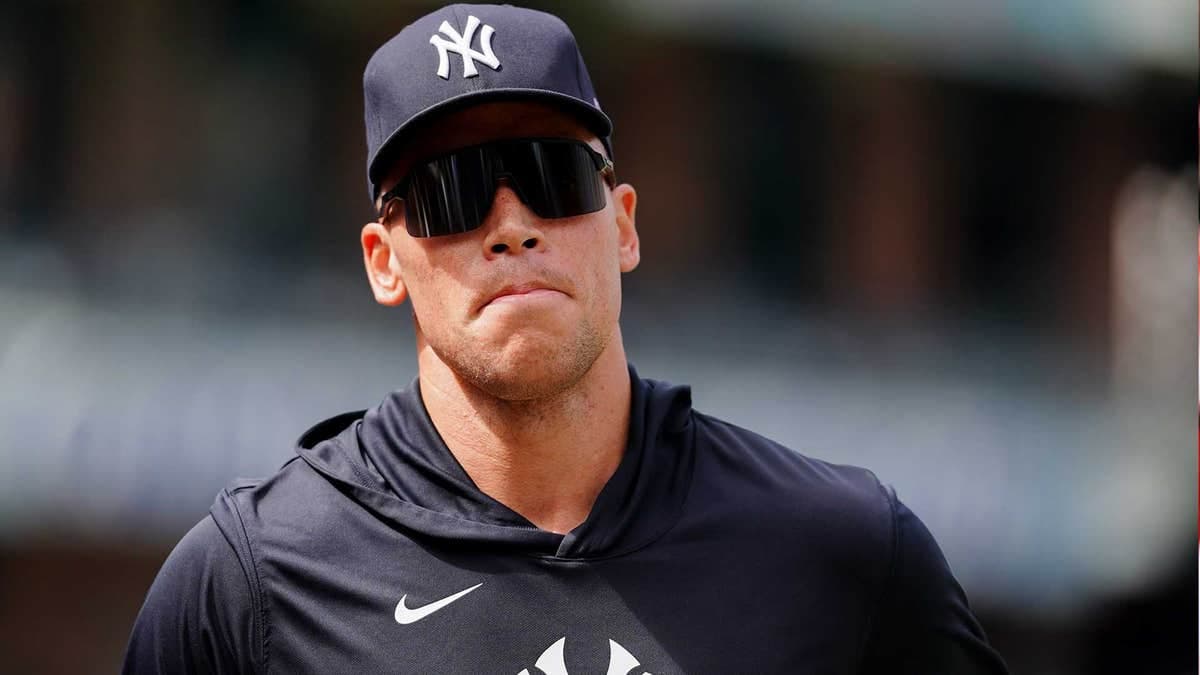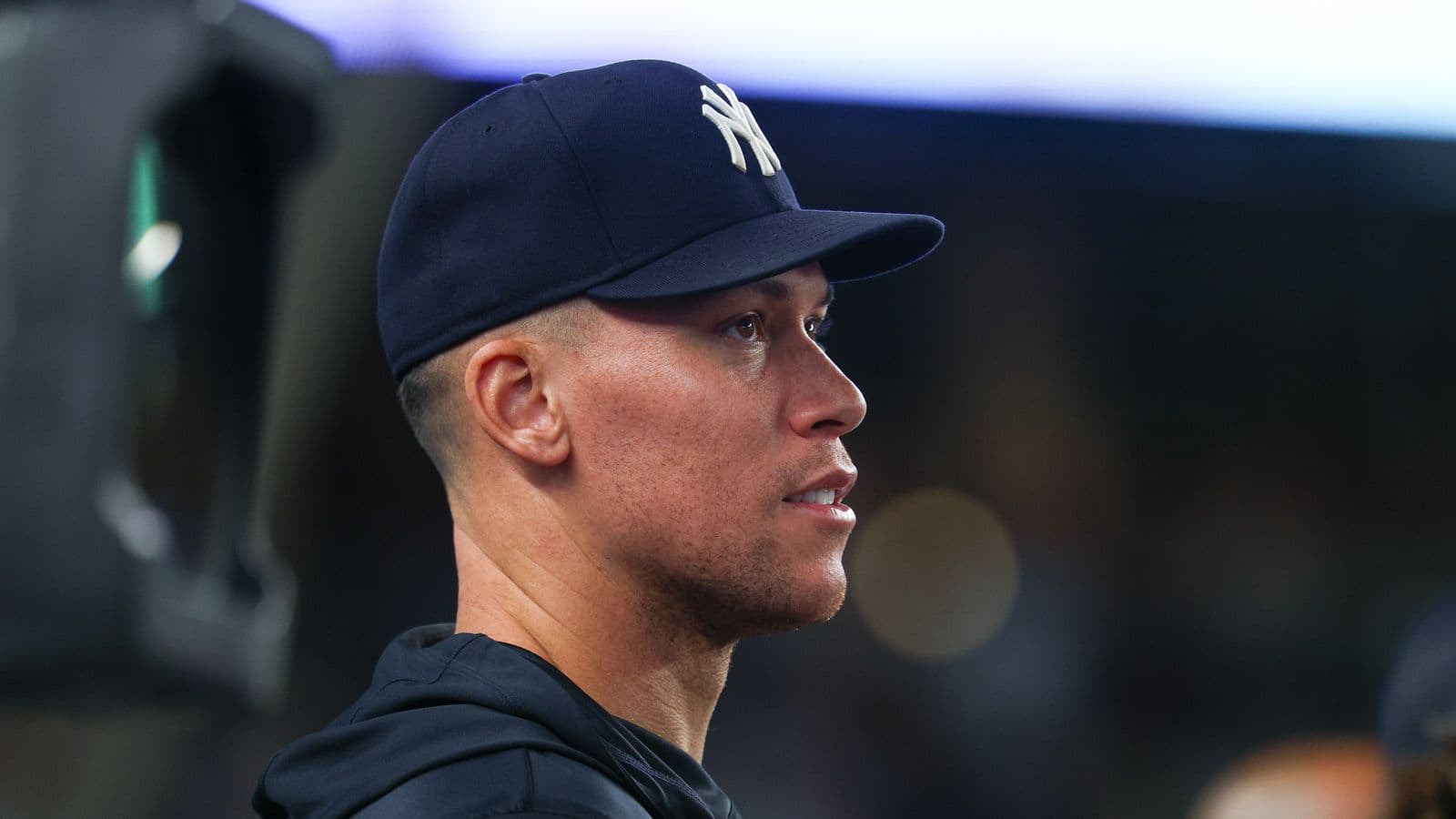
The Bronx is buzzing, and it’s not just the subway rumble. Yankees captain Aaron Judge is making one thing crystal clear: he wants back in the lineup, and he won’t take the scenic route through Triple-A to get there. With the playoff push heating up and the AL East race tighter than a Game 7, Judge’s stance on skipping a rehab assignment has become the talk of the clubhouse, the front office, and every bar from River Avenue to Stamford. This isn’t just a health update - it’s a statement of intent from the most dangerous hitter on the planet.
Judge is putting together another video-game season, leading the league in homers and driving in runs with an almost casual brutality. As of late August 2026, he’s sitting on 53 long balls with a .298 average and 134 RBIs - numbers that have him in pole position for his second MVP trophy. But a recent scare has thrown a wrench in the works. After a collision at the wall in Anaheim left him nursing a deep bruise in his ribs, the Bombers’ medical staff slammed the brakes. The initial fear of a fracture subsided, but the swelling and soreness have kept him out for six games. The traditional protocol for a superstar returning from any injury that costs him a week? A minor-league rehab assignment. It’s the safe, standard path. But Judge isn’t your standard player.
The veteran slugger has been through this dance before, and he knows his body better than anyone. Reports from the clubhouse indicate he’s pushing hard - really hard - for a direct return to the majors, skipping the minor-league tune-up entirely. He’s been taking furious batting practice, facing live pitching in simulated games at Yankee Stadium, and insisting the pain is manageable. The front office is listening, but they’re also weighing the risk against the massive reward of getting him back for the final 30 games of the regular season.
Why Judge Feels He’s Ready
Judge’s argument is simple and rooted in experience. This isn’t a fresh, fragile injury like the oblique strain that derailed his 2019 season. It’s a deep bruise - painful, yes, but not a structural issue. He’s been through enough battles to know when he’s truly compromised versus just dealing with normal wear-and-tear. In his mind, the batting cage work and the intensity of live at-bats in simulated games have convinced him that facing big-league pitching right now is less risky than wasting days toiling in Scranton or Somerset.
Plus, let’s be honest - there’s a competitive fire burning white-hot here. Every game matters in the AL East race. The Yankees are locked in a dogfight with Baltimore and Boston, and every loss feels like a punch to the gut. Judge doesn’t want to be a spectator while the team fights for positioning. He wants to be the guy in the box, terrifying opposing pitchers at 7:05 PM. He’s willing to gamble on his own readiness to make that happen, and that confidence is exactly why he’s the captain.
📊 54% of MLB players who skip rehab assignments report a slower return to pre-injury performance levels - Though Judge disputes this, the data drives the front office's hesitation.
The Yankees’ Dilemma: Trust the Star or Trust the Process?
This is where it gets tricky for the front office and the coaching staff. On one hand, Judge has earned an unprecedented level of trust. He’s the MVP, the captain, and the heart of this lineup. If he says he’s ready, the instinct is to believe him. On the other hand, the organization has a responsibility to protect its most valuable asset - not just for this year, but for the $360 million contract that runs through 2031. The Yankees have seen this movie before, and it’s not always a happy ending. Rushing a star back without a proper ramp-up can lead to compensation injuries, loss of timing at the plate, and a broken-down body by October.