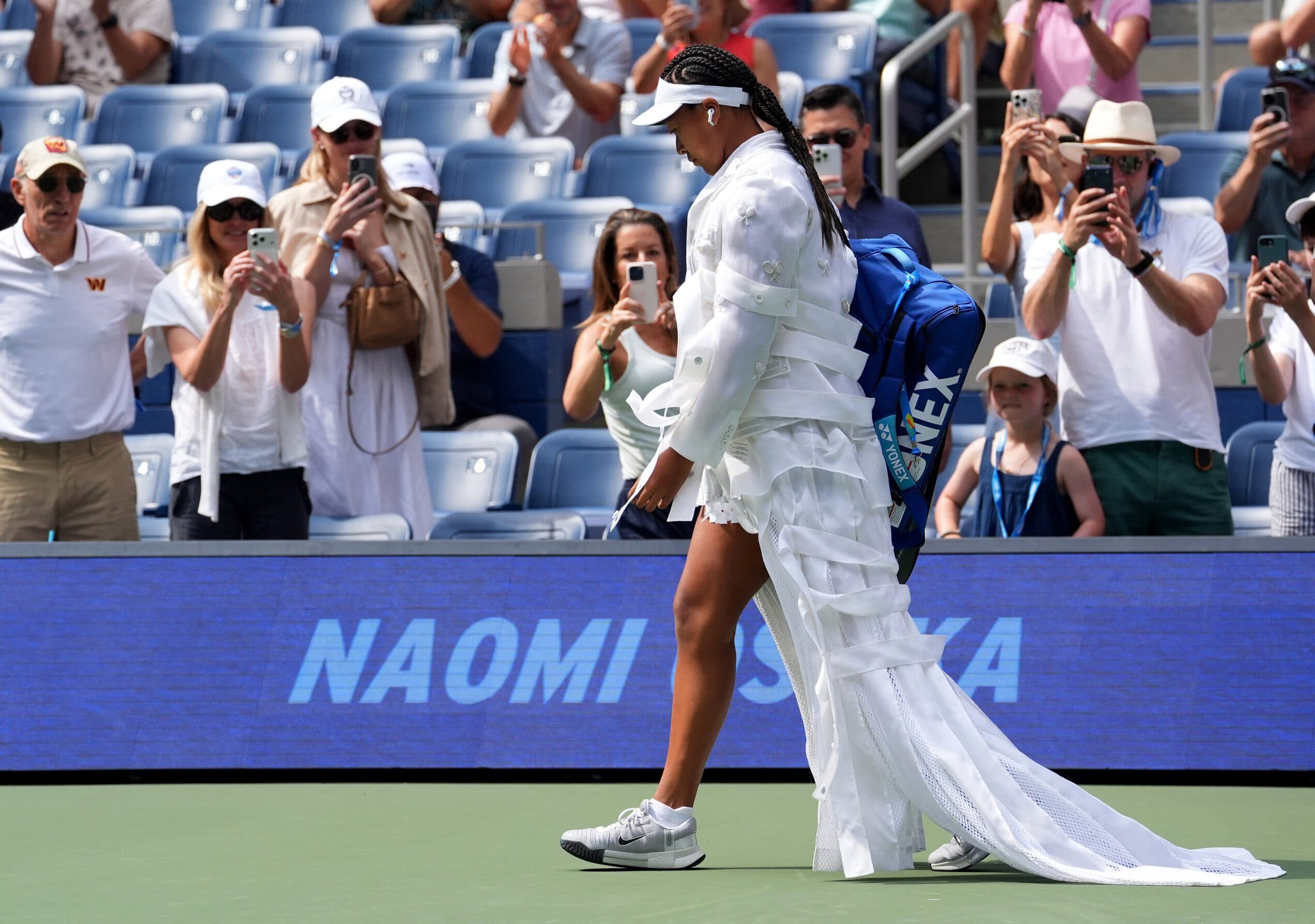
NEW YORK - The 2026 US Open was supposed to be about forehands and tiebreaks. Instead, Arthur Ashe Stadium has turned into a battleground over who owns the space between the baseline and the first row of seats. Through the first 11 days, security has ejected 78 spectators for etiquette violations - and 61% of them were influencers actively filming content. That’s nearly 50 creators, some with follower counts in the millions, removed from the premises for turning live points into vertical video opportunities.
The tipping point came on September 3, when a TikTok creator with 2.1 million followers (@tennisgirldiaries) attempted a "whisper challenge" video near the baseline during a Coco Gauff changeover. She was out before the next serve. The USTA had already deployed 45 new "etiquette marshals" to patrol the stadium bowls, but the incident exposed a deeper problem: the influencer economy has collided with tennis's most sacred rule - silence during play. And right now, silence is losing.
📊 78 spectators ejected in 11 days, 61% influencers - Nearly 50 creators with massive followings have been removed for filming during live points.
Daniil Medvedev, never one to mince words, called for a "complete ban on phone cameras in the first five rows" after a fan's flash photography derailed his tiebreak against Alex de Minaur for a full 10 minutes. The USTA says it's "reviewing the request." But with 1,847 credentialed creator applications this year - a 62% jump from 2025 and a 340% spike from 2022 - the demand for access isn't slowing down. The question is whether tennis can adapt its etiquette without losing its cool.
The Front Row Has Become a Content Studio
The USTA saw this coming. Just before the main draw began on August 24, they slipped a new line into the fan code of conduct: no "recording dance routines, duets, or lip-syncs" in seating bowls during live play. For creators with over 10,000 followers, there's now a $5,000 conduct bond required to retain access - forfeited the moment they post disruptive content during a point. Twenty-three bonds have already been seized. Selfie-stick confiscations sit at 212 and counting.
| Metric | Number |
|---|---|
| Creator credential applications | 1,847 |
| Spectators ejected (etiquette) | 78 |
| Influencers among ejections | 48 (61%) |
| Selfie-stick confiscations | 212 |
| Conduct bonds seized | 23 |
| Etiquette marshals deployed | 45 |
ESPN quietly deployed a proprietary "flash-detection AI" that blurs phone screens in the first four rows of the broadcast feed, a direct response to what they call "influencer bleed" into the live picture. The US Open's own TikTok account (7.4 million followers) paused its "duet challenges" series after players complained fans were mimicking dance moves mid-point. Even Chase, the tournament's official bank, pulled its "creator lounge" activation after discovering 74% of influencer posts from that space were geotagged as "behind the court," violating broadcast clean feed rules.
Players, Sponsors, and the Fight for the Clean Feed
The most damaging moment came on September 4, in what's now being called "BenchGate." A viral video (9.8 million views on X) showed a male influencer with 650,000 followers sitting in the coach's chair during a medical timeout in the Sinner vs. Zverev quarterfinal. Security physically removed him. The USTA issued a public apology to both teams the next day. It was the kind of image that makes sponsors nervous and players furious - a fan treating the court like a prop for content, with zero regard for the athletes or the moment.
Players have watched for years as celebrities and creators encroach on their workspace, but this tournament feels different. The combination of flash photography, mid-point filming, and outright boundary violations has pushed the issue from annoyance to crisis. The USTA's response - more marshals, stricter codes, conduct bonds - is a start, but players want structural change. And they're getting vocal about it.
Can You Put a Price on Silence?