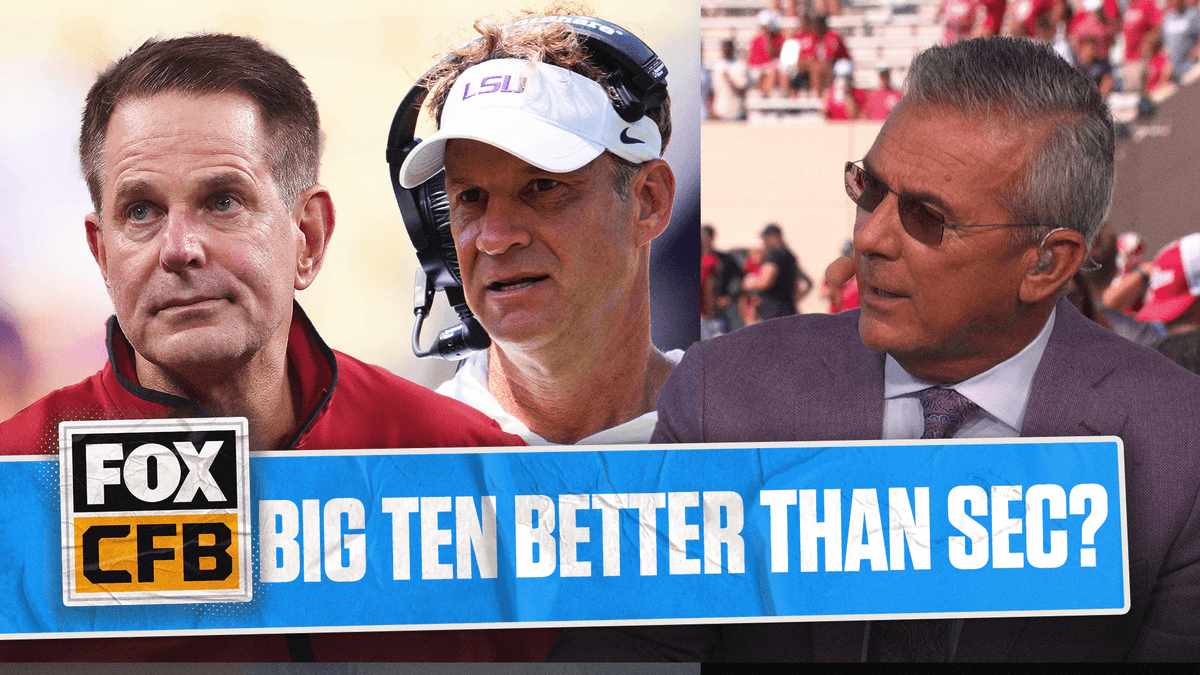
The debate has simmered for a decade. Now, as the 2026 season kicks into gear, Urban Meyer has drawn a clear line in the turf. The former national championship coach and current Fox Sports analyst isn’t hedging. For Meyer, the math, the money, and the meat-grinder schedule all point one way: The Big Ten has officially supplanted the SEC as the nation’s premier conference. This isn’t barstool rhetoric. It’s a data-driven shift Meyer has tracked since the playoff expanded. From the depth of elite quarterback play to the brutal weekly grind of the new-look Western powers, here’s why the Big Ten holds the crown - and why the SEC’s mystique is cracking under the weight of its own parity.
The Depth-of-Talent Argument: It’s Not Just Ohio State Anymore
For years, the SEC could boast a "murderer's row" of top-five talent. Not anymore. The Big Ten now fields a volume of legitimate College Football Playoff contenders that the SEC simply can’t match week to week. Meyer points directly to the additions of Oregon, USC, and UCLA - moves that transformed the conference from a two-team race into a national gauntlet.
The 2026 Top-10 Domination
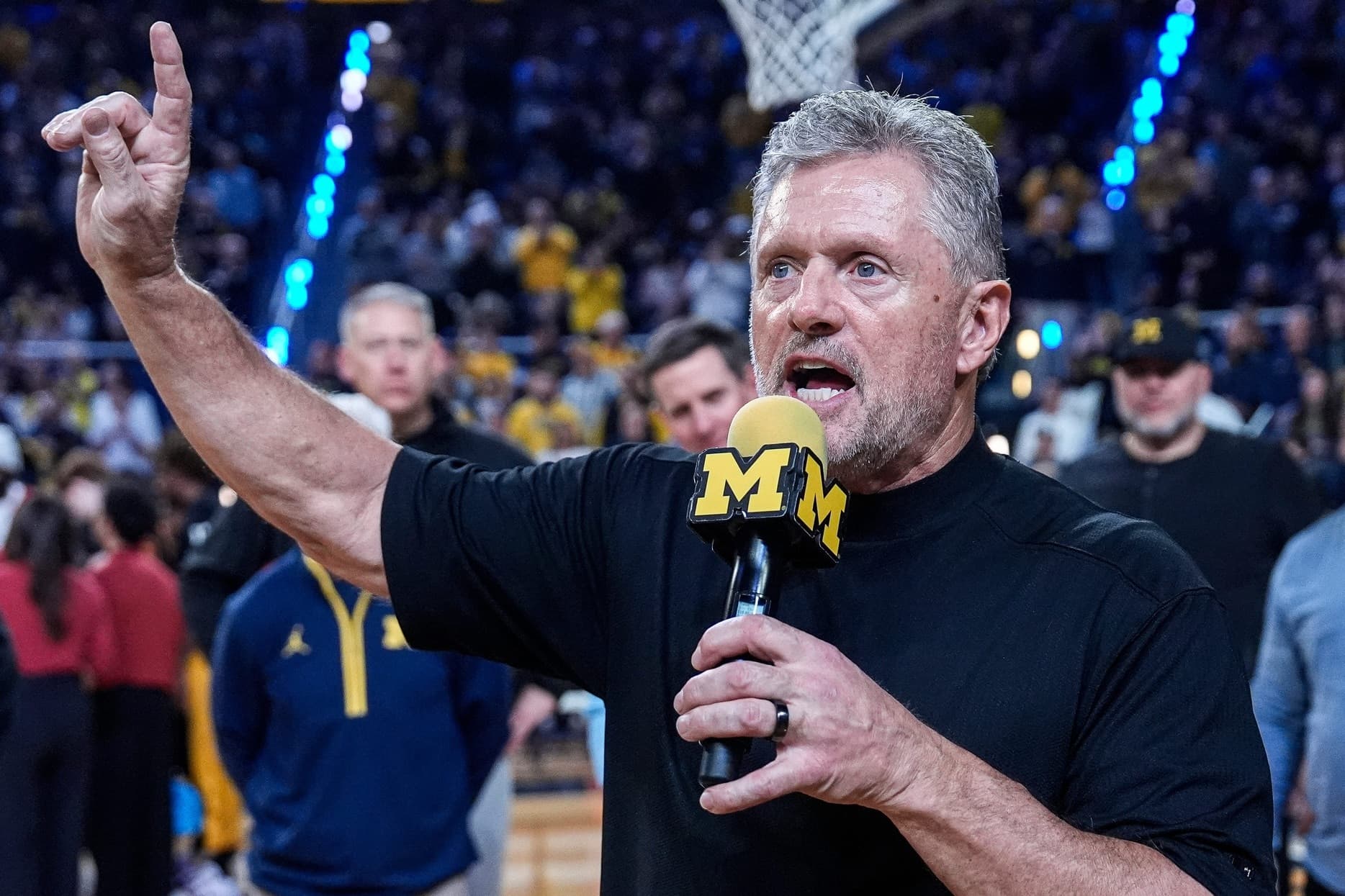
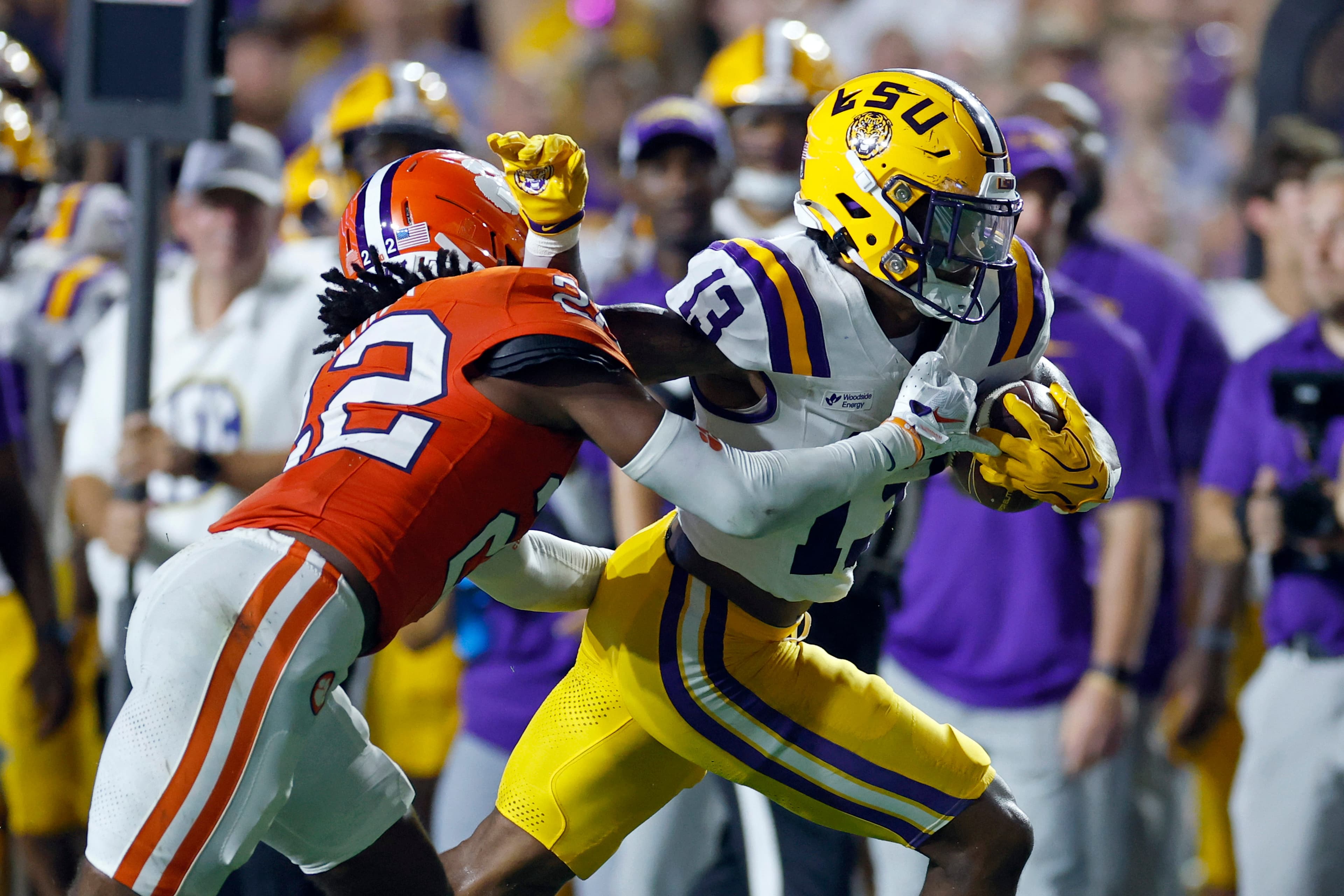
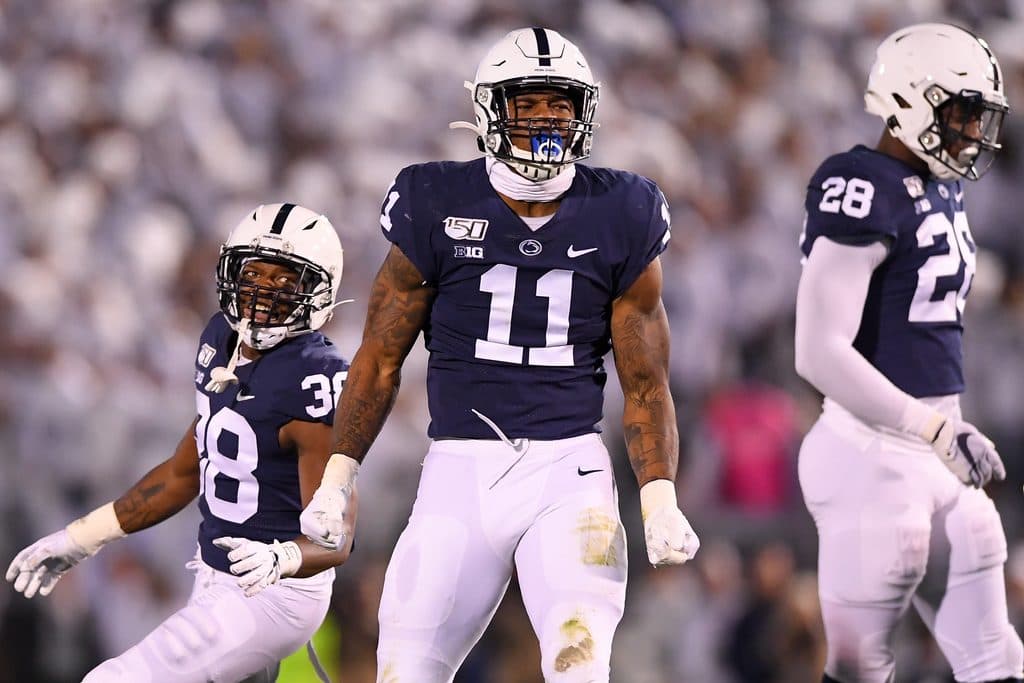
Check the September 6, 2026, polls. The Big Ten is flooding the top ten with a blend of physical midwestern rosters and west-coast speed. Ohio State remains the gold standard. Oregon’s roster is a legitimate NFL factory. Penn State has finally shed its "almost" label. Michigan’s defense, even after losing key pieces to the pros, still ranks top-five. In the SEC, the drop-off after Georgia and Texas is steep. The bottom half is cannibalizing itself, stacking losses that kill playoff résumés by October. The Big Ten’s top five, meanwhile, beat the middle tier with such consistency that the conference title game feels like a national semifinal.
| Ranking | Big Ten Teams | SEC Teams |
|---|---|---|
| Top 5 | 3 | 2 |
| Top 10 | 5 | 3 |
| Top 25 | 8 | 7 |
📊 5 Big Ten teams in the top 10 (Sept. 6, 2026 polls) - The SEC can only muster three, and the gap widens each week.
The scheduling gauntlet matters more than ever. Big Ten squads face top-25 opponents nearly every Saturday - there’s no breather week. Compare that to the SEC’s habit of fattening up on FCS cupcakes in November. Meyer has hammered this point on air repeatedly: the Big Ten’s weekly battles forge tougher teams. By bowl season, Big Ten squads are battle-tested. SEC teams are just getting comfortable playing above-average competition.
The Revenue and NIL Infrastructure Gap
Meyer has never dodged the business side of the sport, and the financial ledger now leans heavily toward the Big Ten. When he breaks down conference supremacy, he looks at the war chests. The Big Ten’s landmark media rights deal - worth roughly $7 billion over seven years - doesn’t just fund new scoreboards. It subsidizes elite support staff, nutrition, and travel. More critically, it feeds the NIL collectives.
The SEC’s deal with ESPN, while massive, distributes less per school. That disparity shows up in the trenches. The Big Ten is winning transfer portal battles for interior linemen and difference-making edge rushers because the collectives run deeper. When a blue-chip recruit weighs the long-term financial ceiling, the Big Ten’s revenue per school - north of $70 million annually - creates a structural edge that SEC tradition can’t offset. It’s not just about facilities anymore. It’s about roster sustainability, and the Big Ten is out-spending everyone.
| Conference | Total Media Deal | Annual Per-School Payout | Active NIL Collectives |
|---|---|---|---|
| Big Ten | $7B (7 years) | $70M+ | 14 strong |
| SEC | $3B (10 years) | ~$50M | 9 significantly funded |
📊 $70M+ annual revenue per Big Ten school - Nearly $20M more than SEC counterparts creates a decisive edge in roster retention and portal wars.