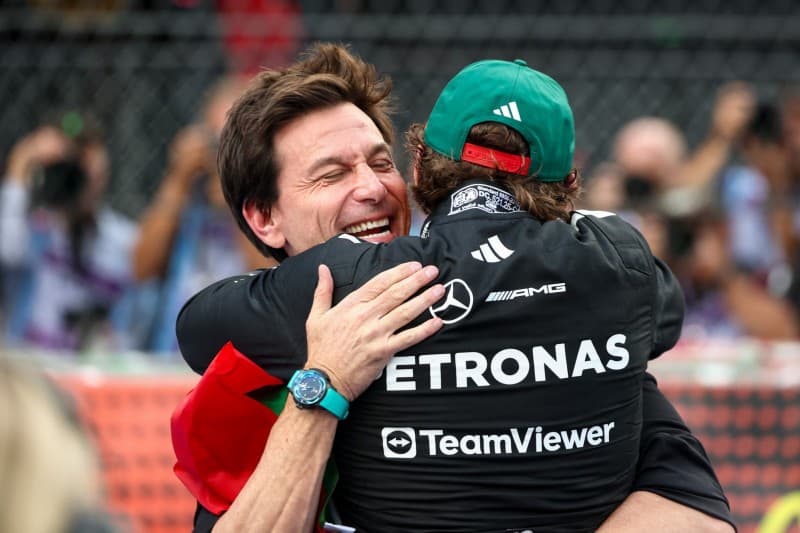
Replacing Lewis Hamilton with a teenager was always going to cost Mercedes something. According to Toto Wolff, the bill arrived in the commercial department. The claim that Toto Wolff: two sponsors left Mercedes after promoting Kimi Antonelli into F1 has become the loudest talking point of the team's post-Hamilton era - a story about a rookie, a rebuild, and the cold, hard economics of Formula 1.
Let's be clear about what's solid and what isn't. The Wolff-Antonelli promotion itself is verified history: Mercedes confirmed Andrea Kimi Antonelli as a 2025 race driver in August 2024, and the Italian debuted at the 2025 Australian Grand Prix, stepping into the seat vacated by Hamilton's blockbuster move to Ferrari. The "two sponsors left" line is attributed to Wolff himself, in the interview context where it surfaced. But here's the guardrail fans deserve: Mercedes has not publicly confirmed which partners departed, when, or for how much. No sponsor names. No figures. Treat the specifics as unconfirmed until the team or a primary source puts them on the record.
What nobody disputes is how wild the Antonelli ascent was. He skipped Formula 3 entirely, jumping from Formula Regional straight into Formula 2, and then straight into the most scrutinized seat in motorsport. If you want the full backstory of that leap, our driver-development coverage has you covered. The point is this: partners were being asked to bet on potential at the exact moment the sport's most bankable star walked out the door.
Why a Rookie Represents a Sponsor's Worst-Case Scenario - and Mercedes' Bold Bet
Here's the uncomfortable truth about F1 sponsorship: brands don't buy hope, they buy certainty. Partners attach themselves to proven names, guaranteed airtime, and the kind of global recognition Hamilton built over more than a decade. When Mercedes swapped a seven-time champion for a kid with zero Grand Prix starts, some partners - according to Wolff's account - simply reached for the exit.
Read that as a business reaction, not a scouting report. Nobody inside Mercedes believes Antonelli lacks talent; the man who signed him certainly doesn't. But a sponsor's spreadsheet doesn't grade potential. It grades exposure, predictability, and risk. A rookie season means question marks: rookie mistakes, learning curves, and headlines that write themselves for the wrong reasons.
Verified context on the Antonelli promotion:
| Detail | Confirmed Information |
|---|---|
| Driver | Andrea Kimi Antonelli (Italy, born August 25, 2006) |
| Mercedes race seat confirmed | August 2024 |
| F1 race debut | 2025 Australian Grand Prix |
| Replaced | Lewis Hamilton (moved to Ferrari) |
| Junior path | Skipped F3; Formula Regional straight to F2 |
| Sponsor departures claim | Attributed to Toto Wolff; partners and figures unconfirmed by Mercedes |
> 📊 Two sponsors reportedly left Mercedes after the Antonelli promotion - per Wolff's own account, a reminder that driver decisions and commercial decisions are never separate conversations.
Against that, Wolff's counter-bet is bold and simple: youth, longevity, and a lower-cost, high-upside pairing that could lock Mercedes in for a decade. Add the marketing pull of a "next generation" narrative - an Italian prodigy in a silver car - and the gamble starts to look less like a gamble and more like a reset. Whether you call it conviction or stubbornness depends entirely on what the timing sheets say.
The Bigger Picture: What This Means for Mercedes' 2026 and Wolff's Legacy
Zoom out and the stakes get bigger. Mercedes is heading into a new regulatory era with a rebuilt driver lineup, and the team's long-term commercial strategy is being stress-tested in real time. The claim that Toto Wolff: two sponsors left Mercedes after promoting Kimi Antonelli into F1 isn't just gossip - it's a window into how fragile the bridge between engineering ambition and sponsor revenue can be. Official channels like Formula 1 and Mercedes-AMG PETRONAS F1 remain the places to watch for confirmed partner news.
For Wolff personally, this is legacy territory. He bet on Antonelli when the safer play was available. If the kid delivers, that call becomes a case study in conviction over short-term revenue - the kind of decision team principals cite for years. If he doesn't, the sponsor story becomes the stick critics beat him with.