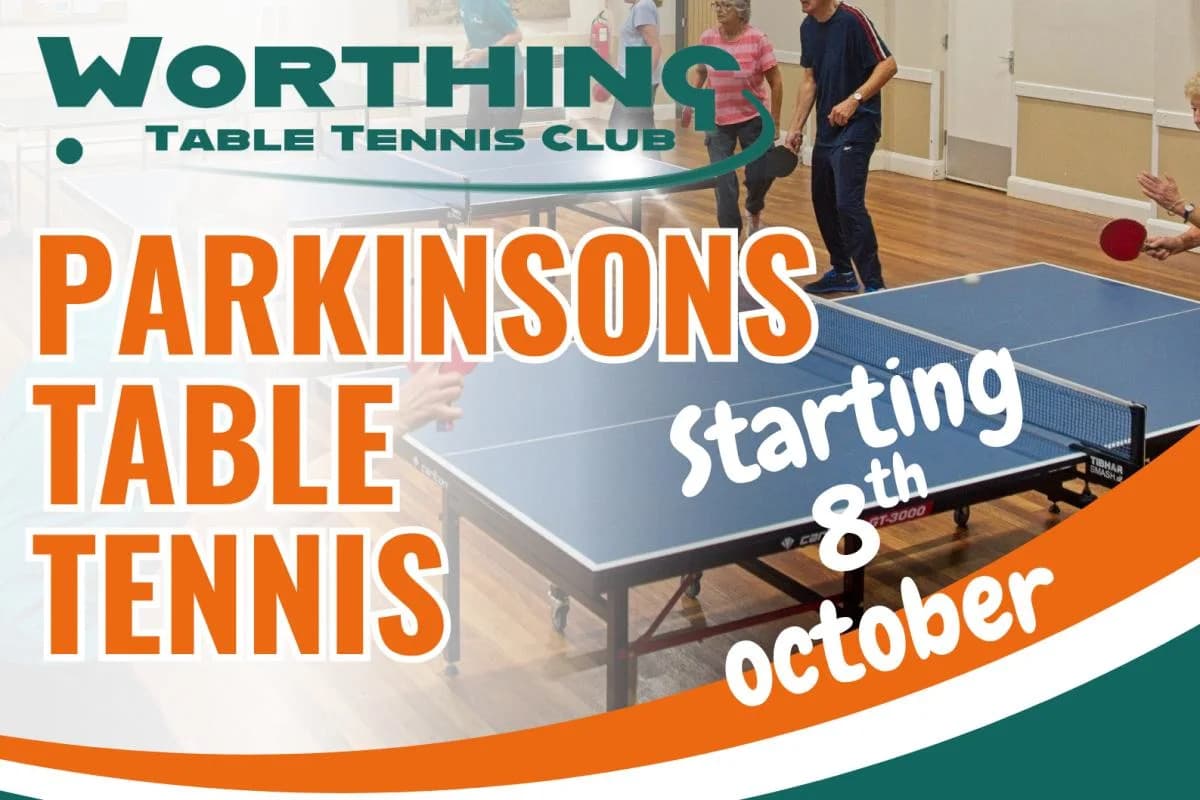
The paddle is smaller. The ball is faster. And the stakes? They couldn’t be higher. A wave of new table tennis sessions launches nationwide today, aimed squarely at the Parkinson’s community - but this isn’t just about keeping score. It’s about reclaiming movement, sharpening the mind, and finding a tribe that genuinely gets it.
Let’s be honest: Parkinson’s can make everyday tasks feel like wading through treacle. But the science coming out of the sport is turning heads. A structured 12-week table tennis program doesn’t just pass the time - it moves the needle on motor symptoms. One 2023 study in Frontiers in Neurology clocked an average improvement of 7.2 points on the UPDRS-III scale - the gold standard for measuring motor function. That’s the difference between struggling to button a shirt and doing it without a second thought.
So why does it work? Table tennis is a full-brain workout disguised as a game. The rapid-fire reactions, the hand-eye coordination, the footwork - it forces neural pathways to fire in ways standard physio often misses. And here’s the kicker: it’s fun. Players actually show up. They stick with it. They build a routine without it feeling like another chore on the medical to-do list.
📊 7.2-point average improvement in motor symptoms (UPDRS-III) - A 12-week table tennis program in a 2023 Frontiers in Neurology study delivered tangible, measurable gains for participants.
These aren’t just theoretical gains. Across the UK, the response has been electric. Table Tennis England and Parkinson’s UK have teamed up to deliver over 40 weekly “Ping Pong for Parkinson’s” sessions - and today’s launch adds a new wave of local hubs to that ever-growing map.
Where to Play: A Global Network Growing by the Week
You don’t need to hunt for a niche club in the back of beyond. The infrastructure is here, and it’s expanding fast. Ping Pong Parkinson (PPP), the international governing body for this movement, now has chapters in 28+ countries, from the US and UK to Germany, Japan, and Denmark. The US arm, “Power Ping Pong,” has been tearing across state lines, with active sessions now in 12 states and counting.
These aren’t clinical, sterile drop-in clinics. They’re curated environments where the pace is set by the players, not the clock. Veterans of the sport will tell you the game-changer is something deceptively simple: the custom PPP orange balls. Designed for high visibility against any background, they cut through the visual noise that can trip up players with Parkinson’s. It’s a small tweak with a massive impact on confidence.
Table: Quick Guide to Finding a Session Near You
| Organization | Region | Typical Session Length | Equipment Provided |
|---|---|---|---|
| Ping Pong Parkinson (PPP) | 28+ countries | 60 - 90 minutes | Paddles & orange balls |
| Table Tennis England (TTE) | UK (40+ weekly sessions) | 60 minutes | Full setup included |
| Power Ping Pong (NTTF) | USA (12 states) | 60 - 75 minutes | Full setup included |
If you’re reading this and thinking, “That sounds great, but I’ve never held a paddle” - stop right there. These sessions are built for every ability level. Total beginners are welcome, and the community ethos means you’ll get a cheerleader, not a coach barking orders.
📊 40+ weekly sessions across England - Table Tennis England’s partnership with Parkinson’s UK delivers consistent, local support for players of all skill levels.
The ambition doesn’t stop at recreational play. This community is proving that a diagnosis doesn’t dim the competitive fire.
The Competitive Spark: Eyes on Tokyo and Beyond
Consider this: the 2024 World Parkinson’s Table Tennis Championships in Denver brought together 40 players from 8 countries - and the matches were as fierce as any Olympic qualifier. The next edition is set for Tokyo, Japan, in 2026, and local sessions are already buzzing with players eyeing that stage.
These new sessions launched today aren’t just a participation trophy. They’re the training ground for athletes who happen to have Parkinson’s. The pathway from a community hall in Manchester to the podium in Tokyo is real, and it’s being mapped out paddle by paddle.
Table: Upcoming Milestones in Parkinson’s Table Tennis
| Event | Year | Location | What to Watch |
|---|---|---|---|
| World Championships | 2026 | Tokyo, Japan | International player pool expected to double |
| Local PPP Tournaments | 2026 - 2027 | Multiple countries | Qualifying pathways to Worlds |
| New Session Launches | Rolling | UK & USA | Check PPP and TTE for latest hubs |