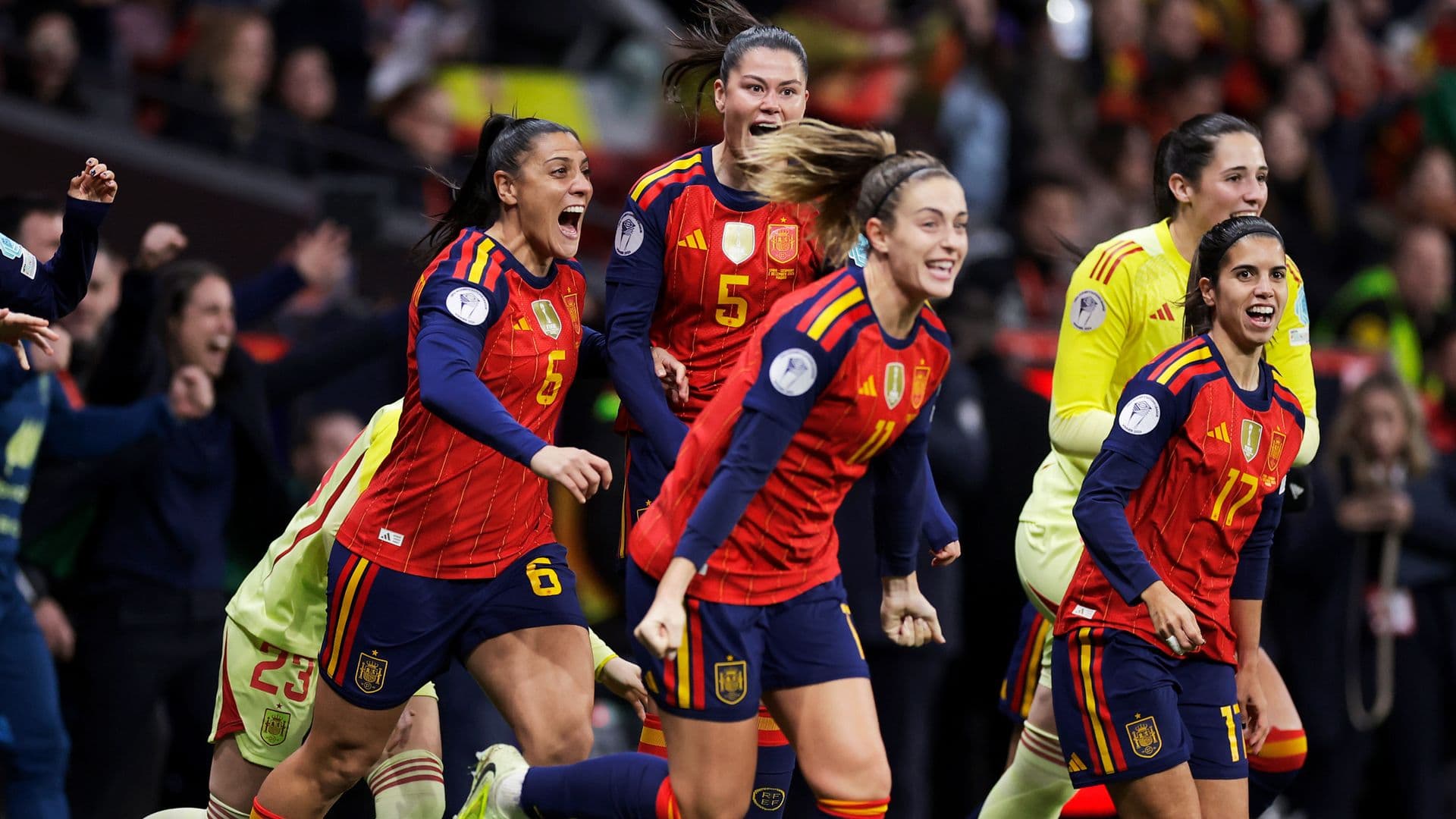
The landscape of women’s soccer just shifted. And it’s not about tactics or transfers. In a move that echoes far beyond the pitch, Spain’s soccer federation (RFEF) has officially stepped up to support its female stars with a groundbreaking new fertility support program. This isn’t just a policy update. It’s a statement: the women who carry the nation’s dreams on their shoulders don’t have to choose between their biological clock and their World Cup ambitions.
We’re breaking down what this means for the players, the precedent it sets, and why this might be the most important save Spain makes this season.
The Game Changer: What This New Program Actually Covers
For too long, the unspoken rule in women’s sports has been: your career window is short, and your body’s other timelines have to wait. This new initiative from RFEF slams that outdated playbook shut. Announced officially today, the program creates a dedicated support structure for fertility treatments - including IVF and egg freezing - for all national team players.
This is a seismic shift from the bare-minimum approach we’ve seen globally. FIFA only mandates 14 weeks of paid maternity leave, but that does absolutely nothing for players who need to plan for a family before retirement. Spain’s federation is tackling the problem head-on with a comprehensive package that covers the full fertility journey.
Table: What Spain’s New Fertility Support Program Covers
| Support Area | Details Announced | Player Impact |
|---|---|---|
| Medical Costs | Full coverage for IVF, egg freezing & consultations | ZERO out-of-pocket expenses |
| Time Protections | Guaranteed squad place retention during treatment | No fear of losing international status |
| Psychological Care | Dedicated mental health support throughout process | Whole-person approach to care |
| Career Planning | Individualised roadmaps alongside coaching staff | Family and football coexist |
📊 Zero financial burden for players seeking fertility treatment - RFEF covers 100% of medical costs, removing the €10,000+ barrier that has historically forced players to delay family planning.
The federation has confirmed that players undergoing treatment will maintain full access to national team facilities and medical staff. Crucially, the program includes ironclad protections ensuring no player loses their squad position or future call-up opportunities because they step away for medical procedures. Fertility journeys are a rollercoaster. Including comprehensive psychological support alongside medical care shows a holistic understanding of the athlete, not just the footballer.
Context: Why This Move Breaks the Mold
To understand why this is such a massive deal, you have to look at the recent history. This is the same federation that was embroiled in the 2023 World Cup kiss scandal that forced president Luis Rubiales out and had the entire women's team publicly revolt over working conditions and a lack of respect.
Since then, the federation has been in an aggressive rebuilding phase to regain trust with its stars. Backing coach Montse Tomé was step one. This fertility policy, however, is step two - a tangible olive branch that moves beyond standard maternity leave. It directly addresses the concerns that player unions like FUTPRO have been screaming about for years, and it arrives with real teeth.
The new leadership under president Rafael del Amo has clearly studied the playbook of what went wrong and is determined to write a new chapter. While Spanish labor law already offers progressive paid menstrual leave for all workers, this is different. This is high-performance sport-specific support that recognizes the unique physical toll and career time-crunch of elite female athletes.
📊 First program of its kind among major football federations worldwide - Spain sets the global standard, leaving traditional powerhouses like the US, England, and Germany without comparable policies.
The timing is strategic too. With the 2027 Women’s World Cup qualification campaign heating up and a generation of star players entering their prime family-planning years, Spain is ensuring its golden generation doesn't have to choose between country and family. This isn't just about retaining current talent - it's about attracting the next generation of Spanish girls who now see a future where they can have it all.