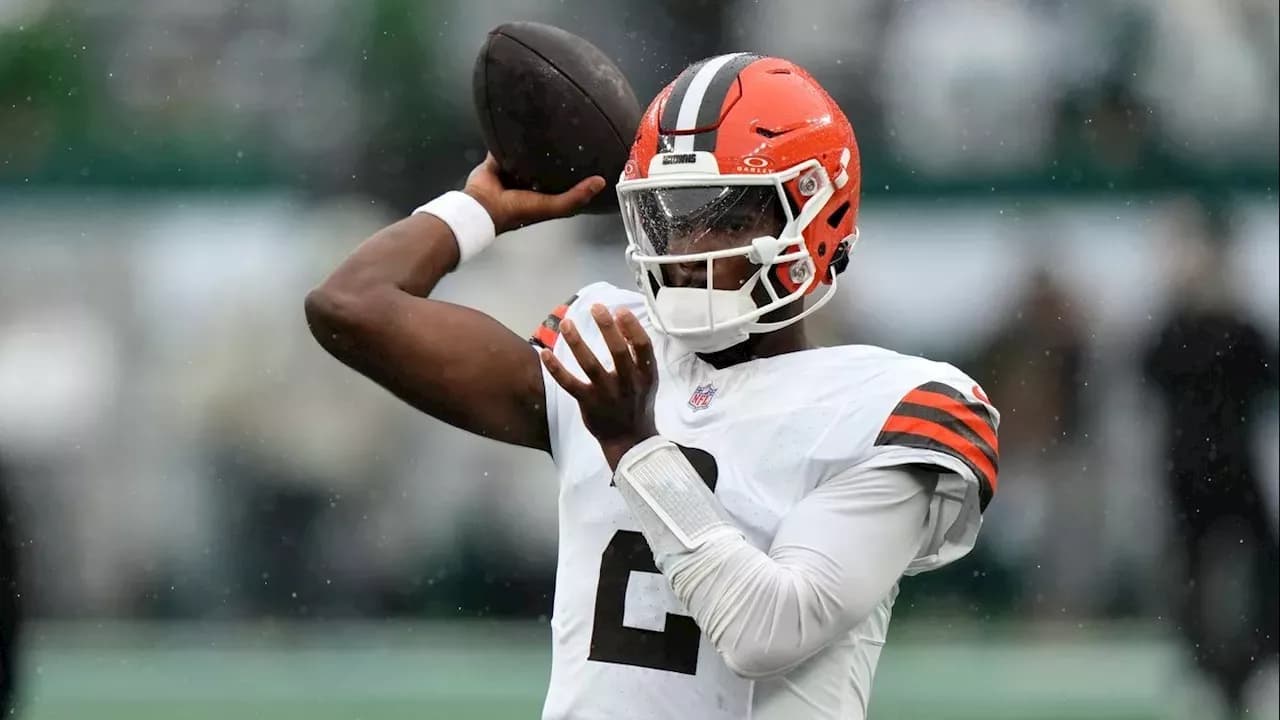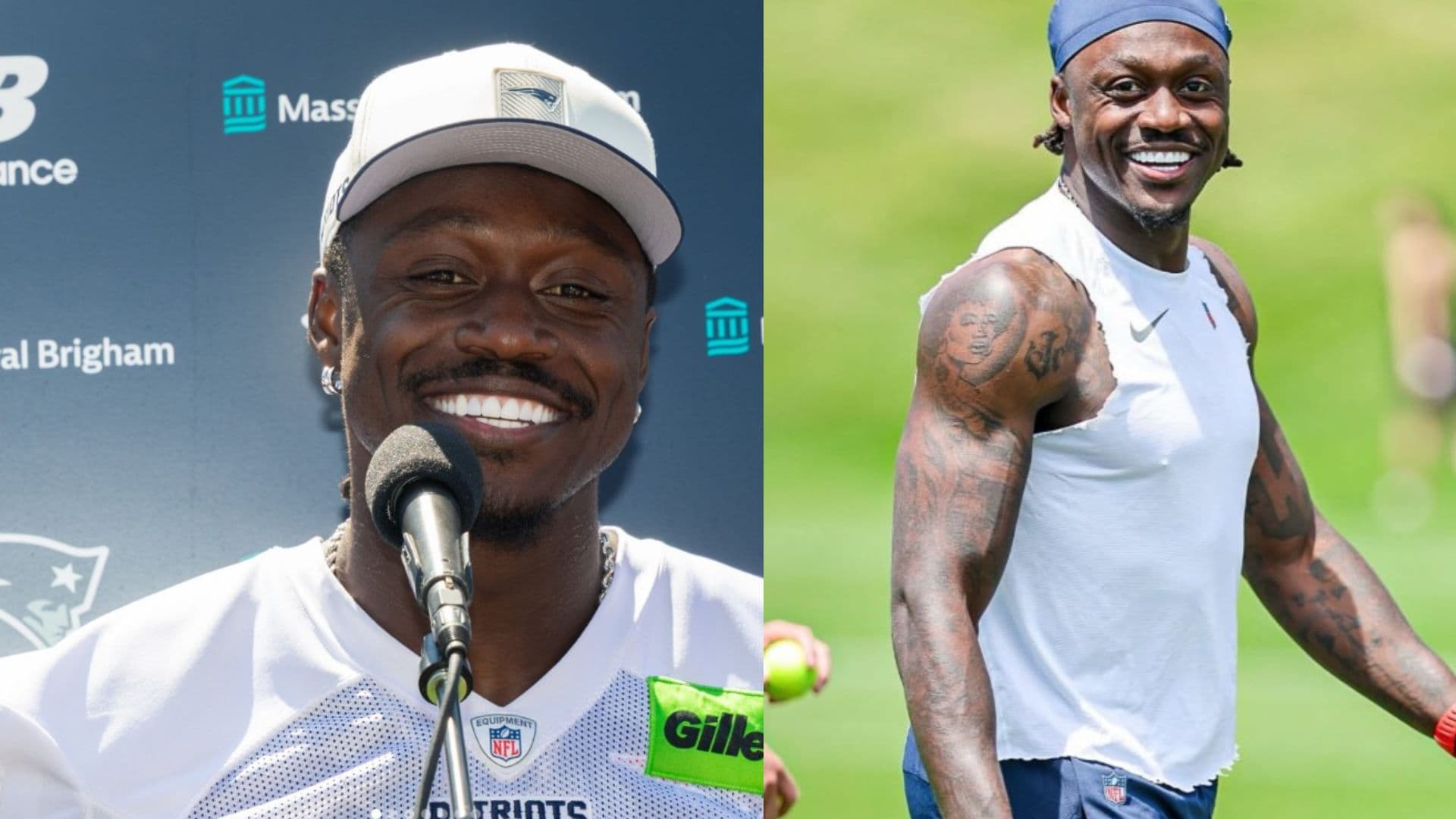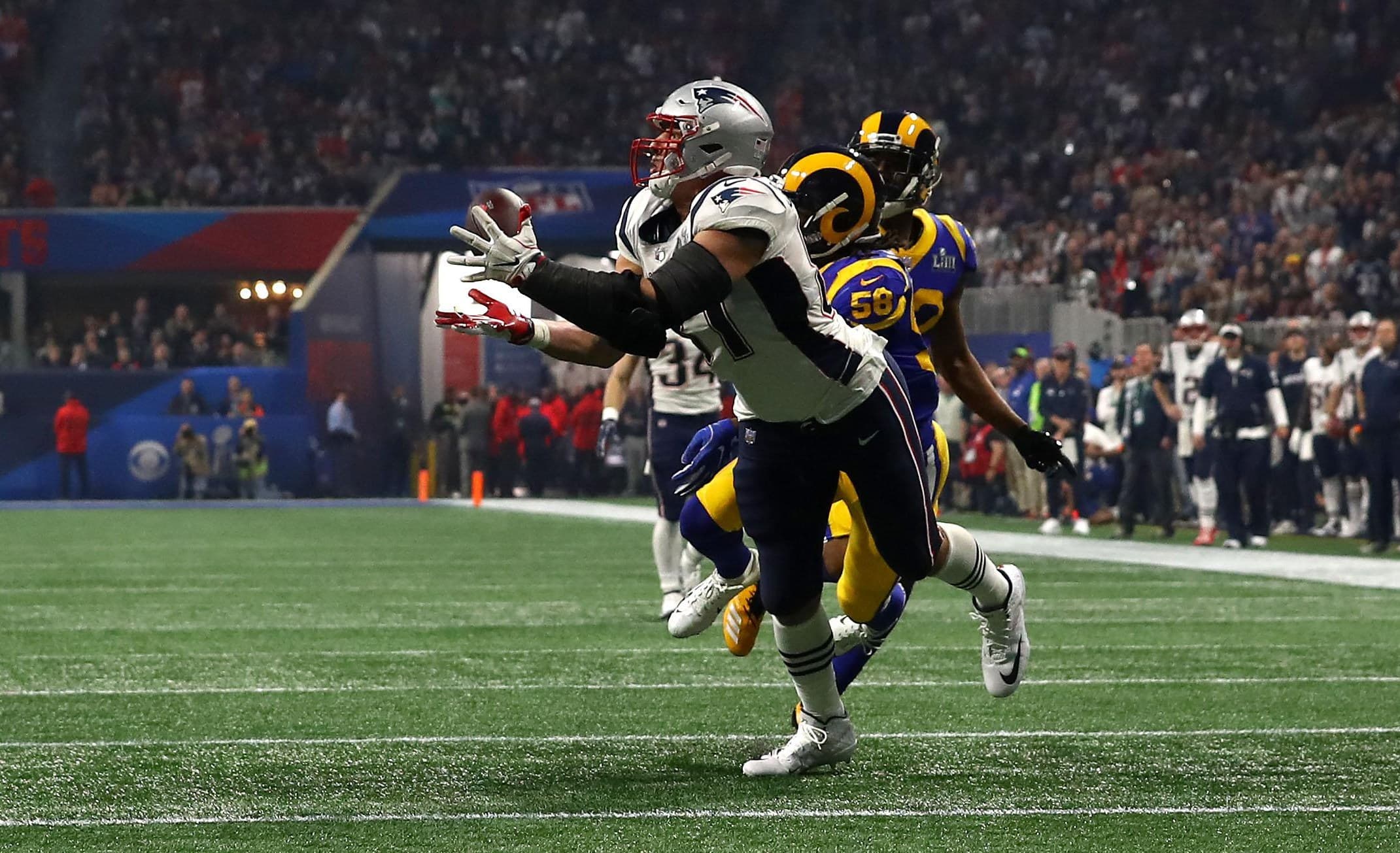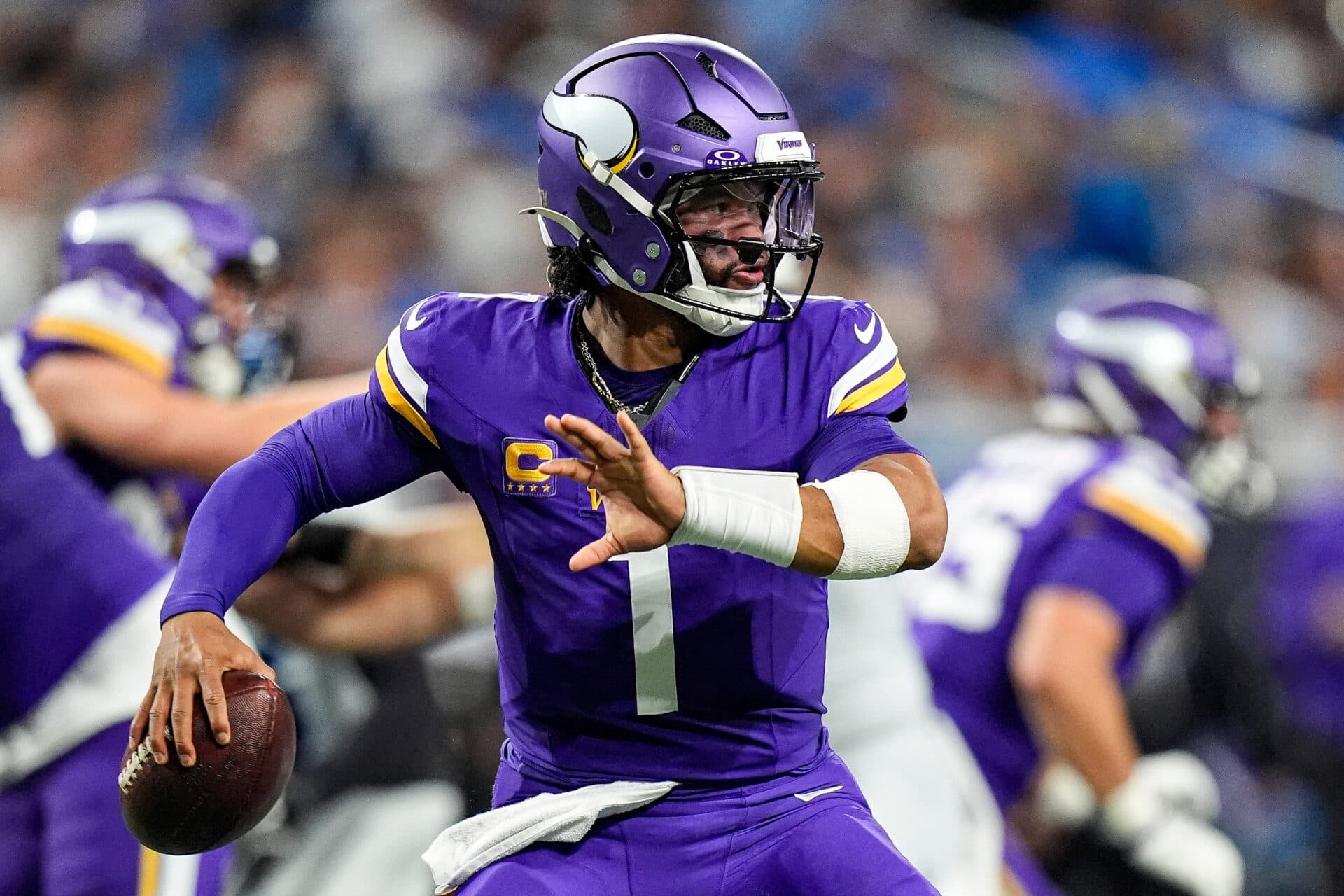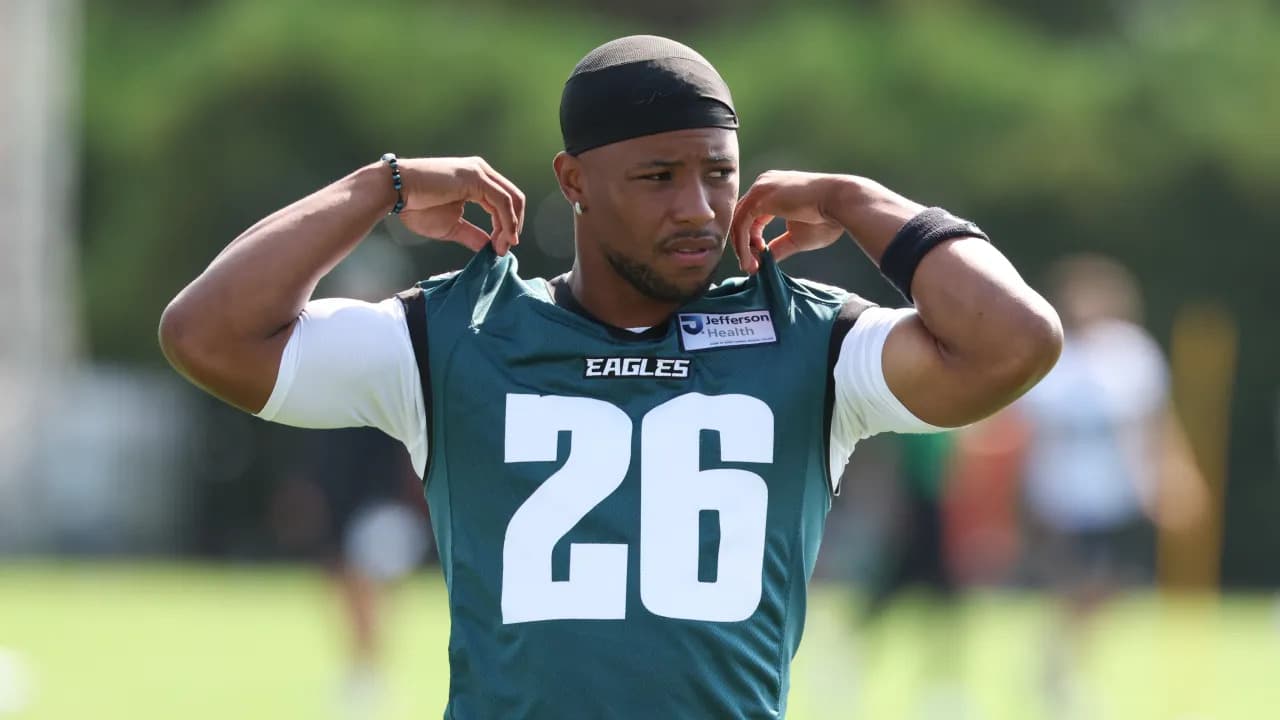
The NFL trade deadline is lurking. And no question is scorching Philly sports radio faster than this one: Should the Eagles trade Saquon Barkley? This is the kind of debate that splits a locker room, ignites a fanbase, and keeps front offices up at night. One side points to a proven difference-maker who transformed the Eagles' offense the moment he arrived in March 2024. The other sees a 29-year-old running back on a significant deal, carrying the brutal mileage of a workhorse. Let's dig into both sides and land on a verdict.
Philadelphia's Super Bowl window frames this entire conversation. The Eagles didn't sign Barkley to rebuild - they signed him to win now. The front office has operated in aggressive, all-in mode for years, and a championship-caliber roster is a terrible thing to waste.
The Case for Keeping Saquon: Window, Chemistry, and Cap Math
Start with the offense itself. The Eagles' identity - play-action, red-zone efficiency, the threat of a home-run hit on any down - flows through the backfield. When Barkley was healthy and rolling, he was the engine of that entire scheme. Without him, defenses creep closer, the play-action game loses bite, and Jalen Hurts has to shoulder more of the load.
Cap math matters too. Trading a big-money runner rarely produces instant flexibility. The dead money often eats most of the savings, especially for a player signed in 2024 with several layers of guarantees and likely restructures by 2026. Cutting him is usually worse than trading him, and trading him mid-season is a brutal squeeze on the win-now timeline.
Then there's chemistry. Barkley is a leader and tone-setter in that building. Veterans on a contender don't want to hear "we're moving assets" in late October. They want to hear "we're going for it."
The Case for Trading Saquon: Age, Wear, and Asset Maximization
Here's where the other side makes its stand. Barkley was born in 1997. For an NFL running back, that's the steep part of the cliff. The age curve for high-usage backs is unforgiving: legs don't stay fresh, hamstrings get touchy, and the burst that makes a home-run threat special can vanish in a single year.
Running backs also carry the heaviest workload tax of any position. There's a real argument that the smartest organizations get ahead of the decline by selling high - and the trade deadline is exactly when a contender desperate for a spark will overpay.
But make no mistake: mid-season value is a different animal than offseason value. Buyers at the deadline pay a premium for immediate help. If the Eagles' price is a second-round pick plus a contributor, that's compelling for a roster that needs cap breathing room and draft capital for the next window.
> 📊 Barkley's reported 2024 signing - roughly 3 years, $37.75M - a contract structure worth knowing, since eventual guarantees and restructures shape any trade math.
| Factor | Keep Him | Trade Him |
|---|---|---|
| Competitiveness | Maximizes 2026 title odds | Undermines a win-now roster |
| Age curve | 29-year-old back entering decline | Sell high before the drop-off |
| Cap impact | Avoids dead money | Limit flexibility unless timed right |
| Return value | No draft haul | Real pick/player upside |
The Verdict: What Should the Eagles Do?
Here's the honest truth: there's no fake-certainty answer here. The decision framework is simple, though. If the Eagles are legitimate contenders this season - and all signs suggest a front office built to compete - trading away your offensive heartbeat mid-season signals a wallet-closing that a veteran locker room will feel instantly.
The pragmatic play is this: keep Barkley for the push, then revisit the conversation in the offseason, when the cap and draft math call the shots. A mid-season move should only happen if the offer is overwhelming - and in October, that's rare.
> 📊 The deadline is the real decision point - after October, trade value typically sags, so any deal must be evaluated on a win-now timeline, not draft picks.