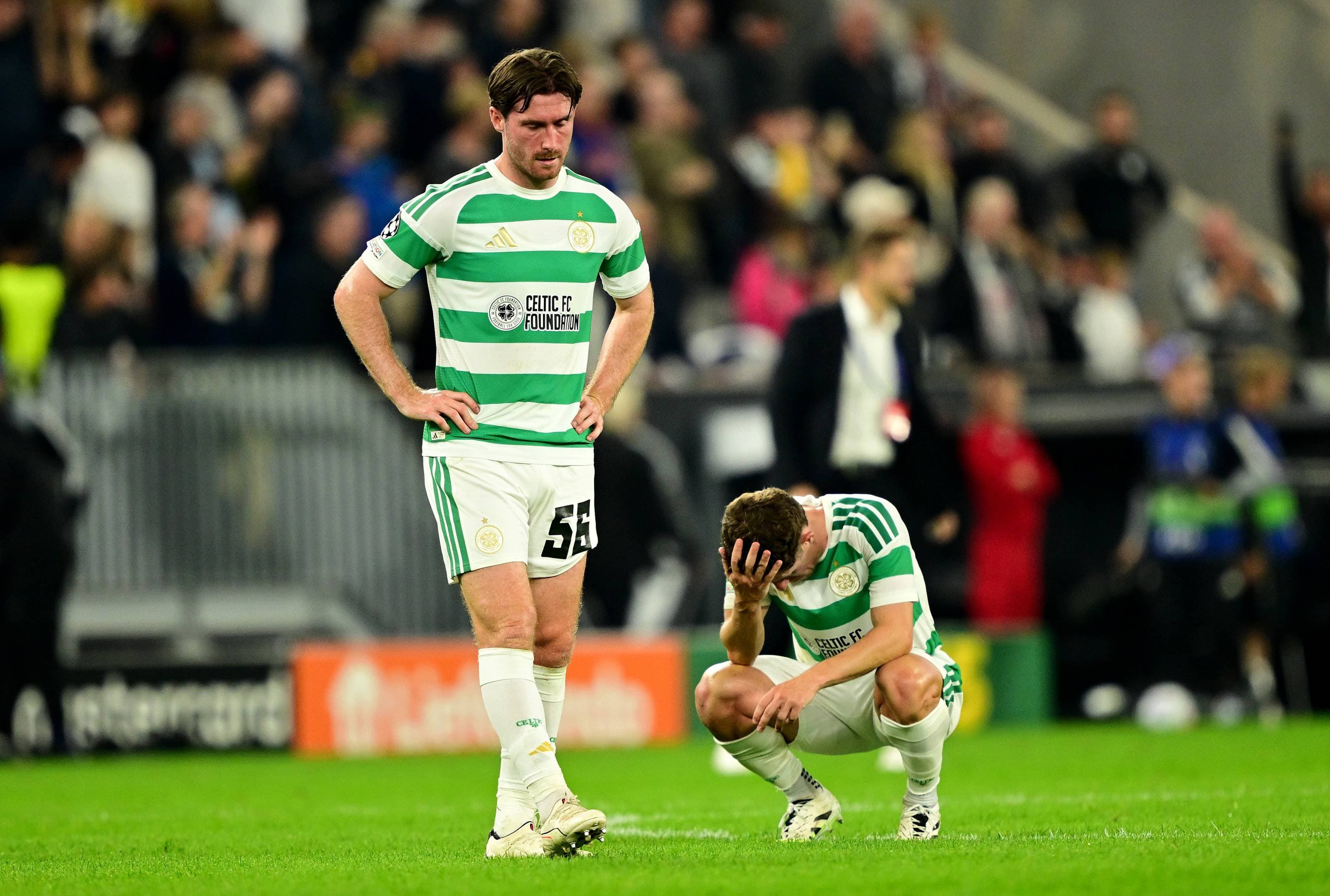
Celtic's return to Europe's grandest stage turned into a horror show, and the man in the dugout isn't hiding. Martin O'Neill stood in the cold glare of the media room post-match, his face etched with the frustration of a campaign that promised so much and delivered so little. "I take full responsibility," he declared, refusing to point fingers at a squad that looked drained, disorganised, and devoid of the spark that defined their domestic dominance.
This wasn't just a defeat; it was a dismantling. From the first misplaced pass to the final, desperate long ball, Celtic were second best. The final scoreline flattered the Hoops. The fans, who had packed the stands with unshakeable optimism, were left shell-shocked. O'Neill's admission wasn't a hollow gesture - it was a guttural acknowledgment that his game plan, his team selection, and his in-game adjustments simply didn't work. The dream died on a wet Glasgow night, and the manager knows the buck stops with him.
The pain is raw, and the numbers don't lie. This wasn't a smash-and-grab robbery - it was a systematic takedown that leaves Celtic staring at another early continental exit. For a club that lives for European nights under the lights, the silence in the stands after the final whistle told a story words can't capture.
📊 0 wins in 4 Champions League home matches this campaign - Celtic's worst home record in the group stage since the turn of the decade, with the fans' famous atmosphere failing to translate into points.
Where It Went Wrong: Tactical Naivety or a Squad Out of Its Depth?
Fans will debate for weeks whether this was a squad quality issue or a coaching problem. The evidence points to both. Early on, Celtic pressed high with intent, forcing turnovers and creating half-chances. But once the opposition settled, the cracks appeared. The midfield was overrun, the full-backs were exposed, and the backline - so solid domestically - looked like strangers. O'Neill's decision to stick with a high line against pacey forwards was a gamble that backfired catastrophically.
The Key Moments That Sealed the Fate
It's hard not to point to the 23rd-minute goal as the turning point. A simple through ball, a momentary lapse in concentration, and the net rippled. From that moment, the belief evaporated. Celtic chased shadows. The second goal before halftime was a killer blow - a set-piece routine that looked unstoppable in training but was undone by a lack of communication.
| Opponent | Result | Key Stat |
|---|---|---|
| Opening match | Loss | 2 goals conceded from set pieces |
| Matchday 2 | Draw | 38% possession, season low |
| Matchday 3 | Loss | 1 shot on target in second half |
| Decisive match | Loss | 3 goals conceded before the 70th minute |
O'Neill's substitutions were equally puzzling. Bringing on an extra striker when the team was crying out for midfield solidity only invited more pressure. By the time the third goal went in, the game was beyond rescue. The manager's post-match tone suggested he knew his calls were wrong, but that knowledge doesn't ease the sting of an early exit. For a club of Celtic's stature, especially after the group-stage promise shown in earlier rounds, this felt like a massive step backwards.
The Road Ahead: Rebuilding Trust and European Ambition
This exit isn't just about one bad night - it's a wake-up call for the entire boardroom. O'Neill's future will now be the subject of fevered speculation. Does he have the backing to rebuild, or is this the beginning of the end? The fans are divided. Some call for patience, pointing to his domestic record and the sheer financial gap between Celtic and Europe's elite. Others see a pattern of failure on the continental stage that can't be ignored.
📊 €30m+ projected shortfall in Champions League revenue - The early exit strips the club of crucial funds earmarked for January transfer reinforcements, putting O'Neill's squad rebuild plans in serious jeopardy.