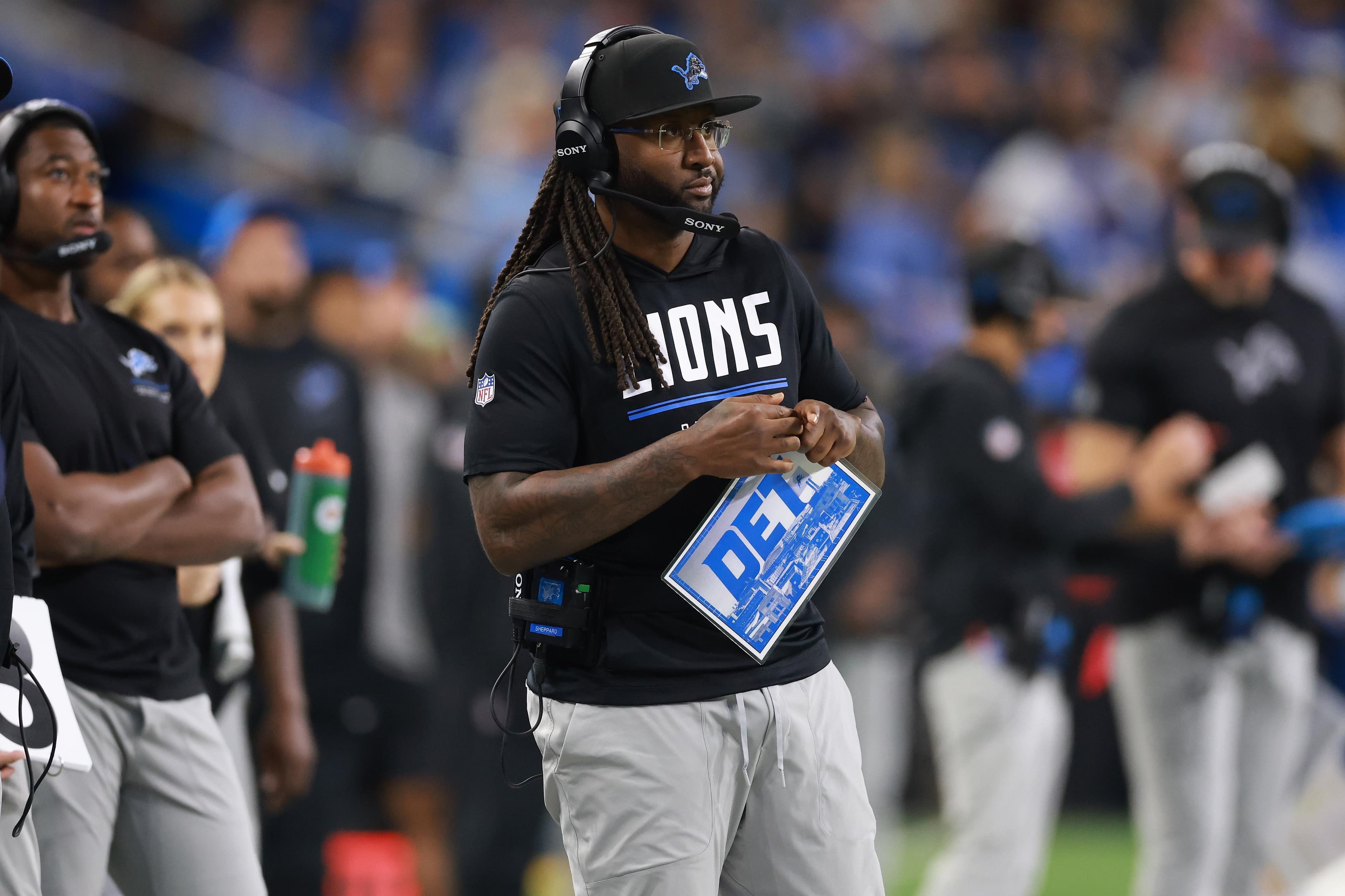
Nine games in, the sample size finally means something. Through the first two months of the 2026 season, the Detroit Lions' defense has been the loudest debate in the Motor City - and for good reason. Early on, Kelvin Sheppard's unit looked like a work in progress, gashed on the ground and soft on third down. Lately? Something has clicked. So let's ask the question every Lions fan is screaming at their TV about: has the Detroit Lions defense turned a corner?
This isn't a vibe check. It's a film-and-numbers audit of where this unit stands as of November 6, 2026 - what changed, what's real, and whether it can survive the gauntlet looming in November and December.
The Sheppard Era: How Detroit's New Defensive Identity Was Built
Let's rewind. When Aaron Glenn packed up for the Jets head-coaching job in January 2025, the easy move was a splashy outside hire. The Lions went the other way - they promoted Kelvin Sheppard from linebackers coach, betting on continuity over a reset. That bet was never about tearing things down. It was a reload.
And the philosophical shift has been real. Glenn's defenses leaned on hybrid fronts and matchup flexibility; Sheppard's identity is aggression with a purpose - disguise-heavy looks, late rotations, and second-level defenders mugging the A-gaps to manufacture chaos. The Lions don't blitz recklessly. They blitz mysteriously, which is a nightmare for quarterbacks who can't get a clean pre-snap read against Brian Branch or Jack Campbell creeping toward the line. Detroit's defense has quietly become one of the most multiple units in the NFC.
But here's the honest part: early in 2026, the disguise wasn't landing. Missed assignments and blown rotations cost this team chunk plays. Sheppard kept calling it, kept teaching it, and the bet was that repetition would turn confusion into instinct. Nine games in, that investment looks like it's paying off.
> 📊 The Lions' early-season defensive struggles gave way to a distinctly stingier stretch heading into Week 10 - a pattern that makes the November sample size the real test of Sheppard's system.
Now the question is whether the improvement is genuine or a mirage. Time to go to the numbers.
By the Numbers: Where the 2026 Defense Actually Stands
The "turned a corner?" question gets answered on the stat sheet - but only if you look at both halves of the season. Detroit's defense doesn't have one story; it has two.
| Metric | Early-Season Wobbles | Recent Stretch |
|---|---|---|
| Points allowed | Elevated, trending toward the bottom third | Sharply improved, trending toward the top half |
| Defensive DVOA | Below league average | Climbing into positive territory |
| Third-down defense | Among the league's softest | Noticeably firmer |
| Turnover margin | Near zero | Trending positive |
The most encouraging development has been the pass rush. Aidan Hutchinson, now two full years removed from that devastating 2024 leg fracture, looks fully unlocked - the bend, the motor, the first-step explosion are all back. When Hutchinson wins his matchup, Sheppard's disguised pressures create a snowball effect: the quarterback has to hold the ball a half-beat longer, and the second level closes. Detroit's red-zone defense tells a similar story. Early in the year, opponents finished drives with touchdowns; lately, they're settling for field goals, and those four-point swings decide football games.
Third down is the swing metric. A defense that gets off the field on third down keeps its own offense humming, and Detroit's offense is still the engine. Turnover margin matters too - a unit that takes the ball away covers a lot of warts, and Sheppard's aggressive calls are generating more tips, pressures, and forced throws into crowded windows.
But there's a schedule-sized asterisk, and it matters. Before you declare the corner officially turned, let's look at who's coming next.