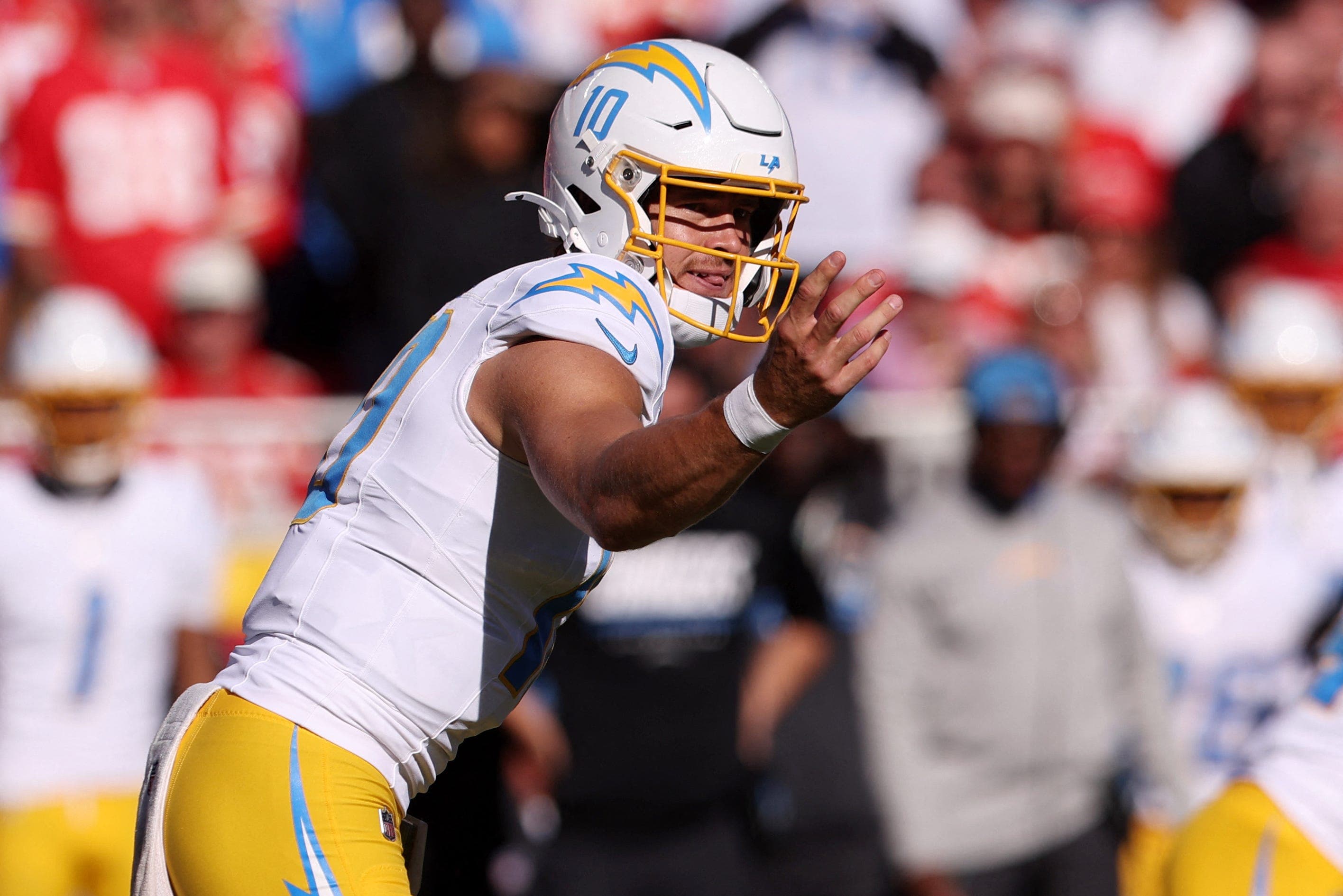
Every trade deadline, the rumor mill spins the same fantasy: a superstar quarterback or premier pass rusher packing his bags mid-season for a blockbuster haul. And every year, the biggest names stay put. The reason isn't loyalty, and it isn't some secret handshake between general managers. It's the salary cap sheet. Justin Herbert is the perfect archetype - a franchise quarterback whose contract structure makes a deal functionally impossible, not just unlikely. In today's NFL, the money, not a no-trade clause, is the real lock on a superstar's locker.
The Real No-Trade Clause Is Written in Guaranteed Money
Here's the mechanic that ends most superstar trade conversations before they start. When a team signs a quarterback to a mega extension, it typically loads the deal with massive fully guaranteed salaries and a prorated signing bonus spread across the life of the contract. That proration is the killer. The signing bonus money has already been paid to the player but hasn't yet hit the cap - it's sitting in future years, waiting to be absorbed.
When a player is traded, all of that unamortized bonus accelerates onto the books at once. For a deal the size of a Herbert-level extension, that acceleration becomes a cap hit no front office can swallow mid-season without gutting the rest of the roster. The trading team doesn't just inherit the player - it inherits the accounting. That's the invisible no-trade clause, and it's built into nearly every elite contract in the league.
> 📊 The signing-bonus proration is the single biggest deal-killer in NFL trades - it accelerates the moment a player is moved, hitting the books all at once.
This is why you see the same pattern every October. Insiders float a blockbuster. Fans fire up the trade machine. Then the deadline passes and nothing happens. You don't trade the contract. The contract trades you.
Follow the Money: The Three Other Names and Why They Stay
The "3 other NFL stars" you hear linked to deadline rumors almost always fall into one of three contract archetypes. Group them by structure, and the pattern is impossible to miss.
The Elite Quarterback - Same story as Herbert. Fully guaranteed base salaries plus a monster prorated bonus mean any mid-season trade triggers an unabsorbable acceleration. A contender can't afford the math, and a rebuilding team won't pay it to rent a QB for half a season. The lever is the guarantee; the consequence is a dead-cap wall.
The Top-Tier Edge Rusher - Pass rushers cash in with backloaded guarantees and roster bonuses paid in March, not October. Move him at the deadline and the remaining proration accelerates while his future roster bonuses become guaranteed against his new team. The lever is the bonus structure; the consequence is double-counting on the cap.
The No. 1 Receiver - The trickiest archetype, because receiver contracts often pair big signing bonuses with restructure clauses that push money into void years. Trading one mid-season accelerates every penny of that deferred salary at once. The lever is the void-year proration; the consequence is a cap hit that dwarfs the player's actual on-field value for the remainder of that season.
Table: The Three Contract Archetypes That Block Deadline Trades
| Archetype | Key Contract Lever | Dead-Cap Consequence |
|---|---|---|
| Elite QB | Fully guaranteed salary + prorated signing bonus | Massive acceleration, unabsorbable mid-season |
| Top edge rusher | Backloaded guarantees + March roster bonuses | Double-counting on the cap for the acquiring team |
| No. 1 receiver | Void-year proration + restructure clauses | Every deferred dollar accelerates at once |
There are rare exceptions - a post-June 1 designation can spread the dead-money hit across two seasons, and a genuinely rebuilding team will occasionally eat dead cap for draft capital. But contenders never do it at the deadline. The math simply forbids it.