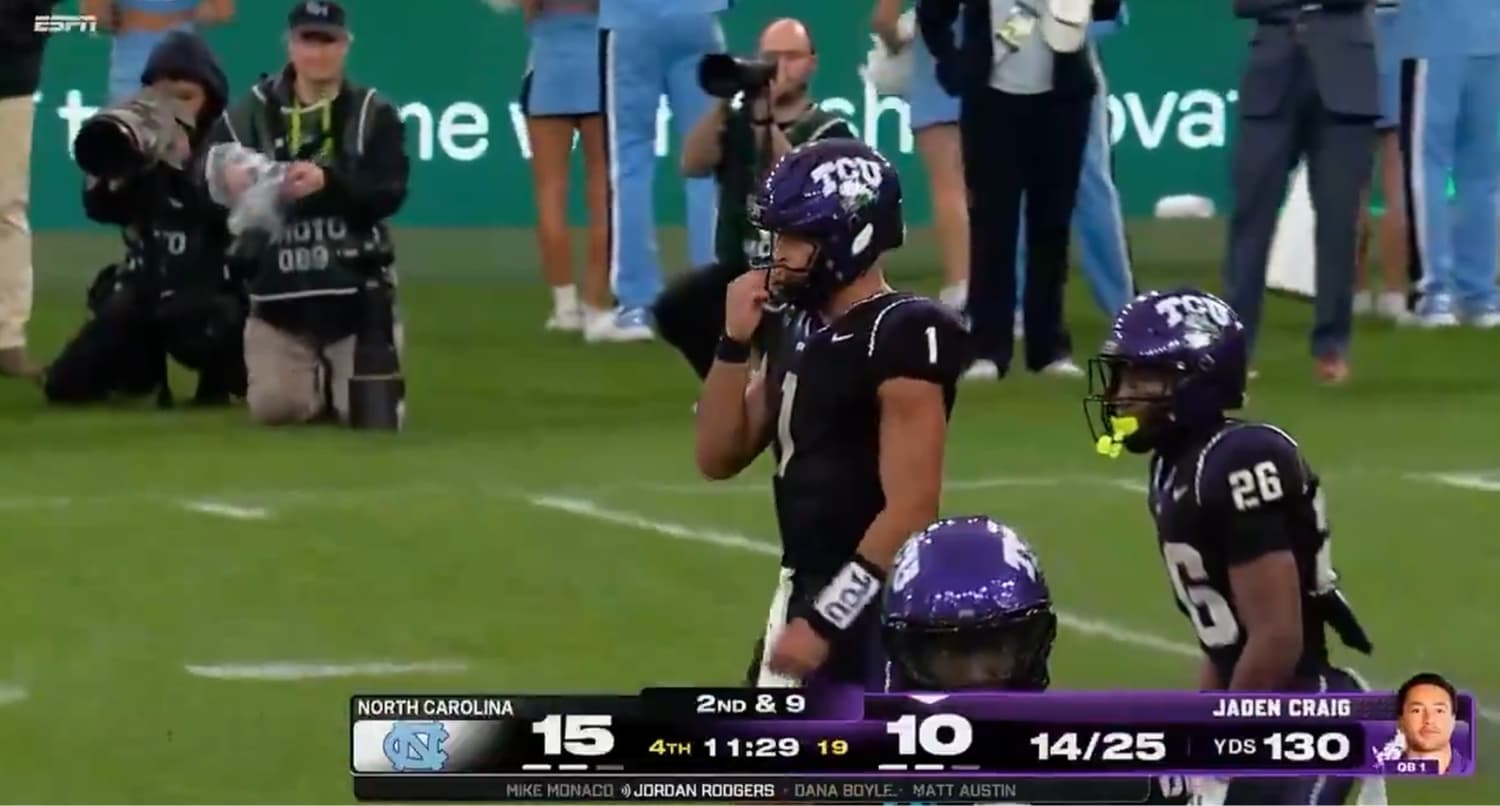
It’s a Saturday afternoon in late August, and college football is officially back. Fans are tuned in, snacks are ready, and the familiar ESPN bottom-line scorebug is glowing on millions of screens. But if you’ve seen social media chatter claiming the network now flashes which announcer is speaking directly on the scorebug, let’s stop you right there. After a deep dive into ESPN PR wires, sports media trade reports, and user forums as of August 29, 2026, there is absolutely no verifiable evidence this feature exists. Here’s what’s actually happening on your screen this season.
The rumor mill is running wild, and it’s easy to see why. The idea of a live “announcer ID” tag is a fun one - imagine a tiny “Chris Fowler” or “Kirk Herbstreit” popping up next to the down and distance every time they take a breath. It sounds like a slick, tech-forward fan experience. But a thorough search of current records reveals zero press releases, zero ESPN corporate communications, and zero sports media coverage (from outlets like Awful Announcing or Sports Business Journal) confirming any such rollout. The 2026 scorebug remains the standard, reliable graphic we’ve seen for years: score, down, distance, quarter, and game clock. No microphone icons, no name tags, no audio-reactive wizardry.
So, where did this rumor come from? Most likely, it’s a fan-made mockup or a misremembered graphic from another network. Some streaming overlays and third-party apps allow for custom closed captioning or audio descriptions, which can sometimes display speaker names. But that’s a far cry from a native ESPN broadcast feature. If you saw a screenshot claiming otherwise, it’s almost certainly a clever edit. No toggle exists in your TV provider’s settings, and ESPN’s own help pages are silent on the matter.
📊 No verifiable evidence exists - Zero press releases, trade reports, or ESPN communications confirm any announcer-tag feature as of August 29, 2026.
The Real Graphics Story: What ESPN Actually Changed
While the announcer tag is a phantom, ESPN hasn’t been idle. The most recent, verifiable change to their college football presentation came back in September 2025, ahead of the 2025-26 playoff season. That update introduced a promotional ticker for the College Football Playoff and refreshed team color tones to make the scorebug pop more vibrantly against HD broadcasts. It also integrated a sleeker “CFP on ESPN” banner during key matchups. That’s the only “new” thing on your screen - not a peep about who’s holding the mic.
This isn’t the first time fans have projected futuristic features onto ESPN’s broadcast graphics. In recent years, the network has experimented with different scorebug layouts, team abbreviations, and even augmented-reality player stats during primetime games. But those changes were always announced, hyped, and marketed. The silence around the so-called “announcer tag” speaks volumes - if it were real, ESPN would be shouting it from the mountaintops.
| Feature | Status | Details |
|---|---|---|
| CFP Promotional Ticker | Launched | Added during playoff season, rotates game promos |
| Team Color Tones | Refreshed | Enhanced vibrancy for HD viewing |
| Announcer ID Tag | Does Not Exist | No evidence found in any current source |
The bottom line? If you’re searching for innovation, look elsewhere. ESPN’s 2026 presentation is clean, consistent, and proven - exactly what you want when you’re flipping between five games on a chaotic Saturday slate.
Why Announcer Tags Won’t (And Shouldn’t) Happen Soon
Even beyond the lack of evidence, this feature makes little sense from a production standpoint. First, it’s distracting - the bottom-line is already crowded enough during Pac-12 After Dark games. Second, ESPN’s broadcast teams are heavily branded already; the announcers are introduced at the top of the game and often referenced by name by the sideline reporters. Finally, from a technical perspective, syncing a live scorebug to a roaming microphone feed would require a full broadcast pipeline overhaul, a cost with zero proven viewer demand. The network has far bigger priorities, like streaming stability on ESPN+.