The Denial Heard 'Round Dodger Stadium
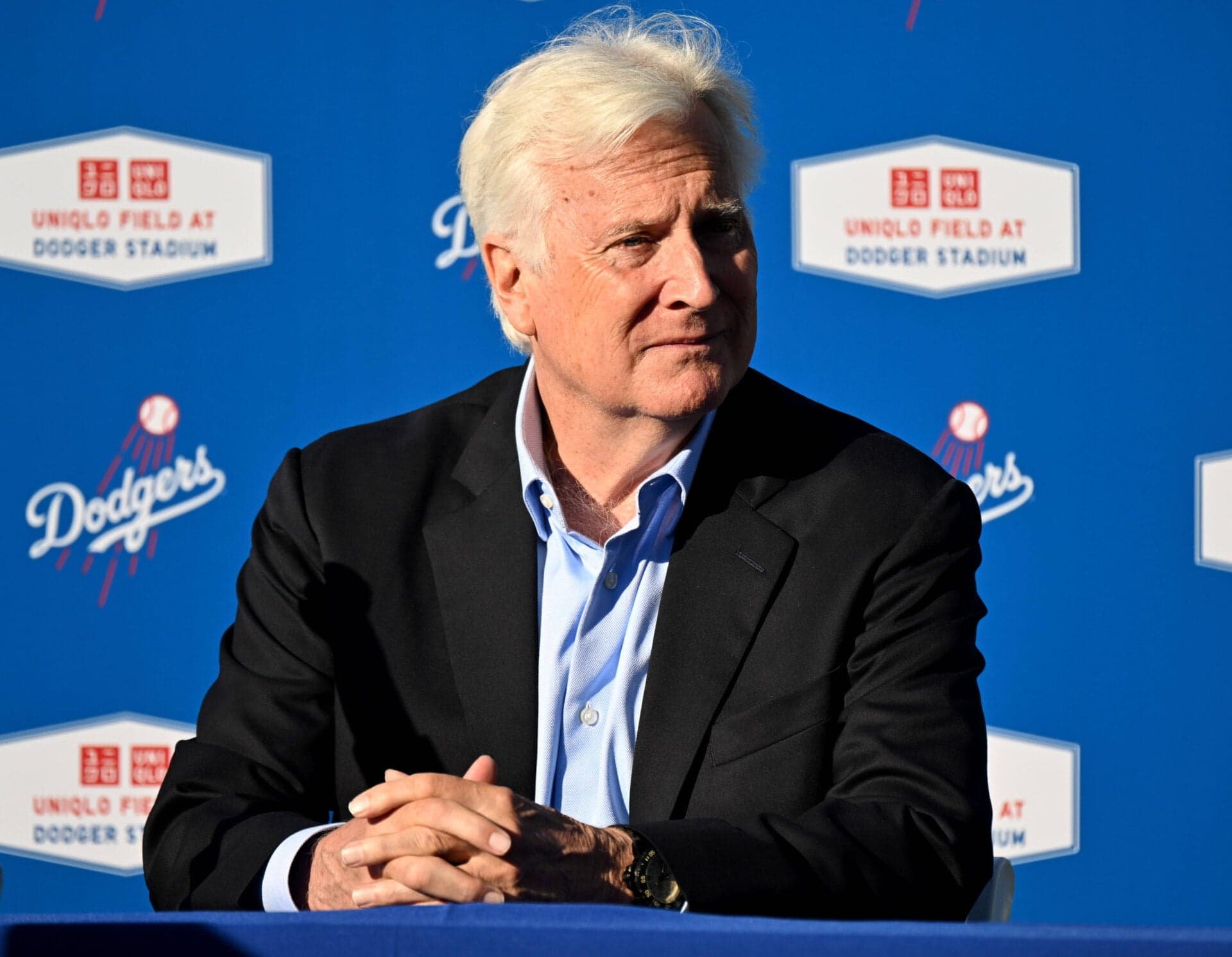
Stan Kasten didn’t mince words. On Friday, August 21, the Dodgers team president took the unprecedented step of publicly nuking a Bloomberg bombshell that claimed controlling owner Mark Walter was quietly exploring a sale due to a monstrous $20 billion debt issue at his holding company, Guggenheim Partners. Kasten’s message was simple, forceful, and aimed directly at a jittery fanbase: the Boys in Blue aren't going anywhere. He stressed the franchise’s rock-solid stability and the family’s long-term, non-negotiable commitment to Los Angeles. This wasn't a corporate brush-off; it was a full-court press to kill the story before it could spiral during a heated pennant race. The follow-up formal statement from the club - calling the sale reports "categorically false" and confirming no minority stake is being shopped - was the exclamation point.
Look, we know how this league works. Rumors fly in August like beach balls in the bleachers. But this wasn't some random Twitter account throwing spaghetti. Bloomberg doesn't roll out a $20 billion number without receipts. Kasten's rapid-fire response - within 24 hours, no less - tells you everything about the panic level behind the scenes. The formal club statement dropped like a hammer: "The Los Angeles Dodgers are not for sale. Mark Walter remains the controlling owner. Reports of a sale are categorically false." That's not corporate speak. That's a war cry.
But here's the thing, Dodger Nation. When the president of the franchise has to come out swinging like he’s defending a World Series title, you know the front office felt this one deep in their gut. And honestly? We should too. Because the Los Angeles Dodgers president claims team ‘not for sale’ amid Mark Walter’s reported $20 billion debt issue - and we're just supposed to nod and move on? Not today. Not when the numbers are this ugly.
Why the $20 Billion Gut Punch Feels Different
Here’s the uneasy math that has everyone from Wall Street to the Left Field Pavilion buzzing. Bloomberg’s report from August 20 details a gnarly web of legacy real estate bets and private-equity obligations at Guggenheim. The scary part? Walter personally guaranteed chunks of that debt. When your franchise is valued at a record $6.8 billion but the owner’s net worth sits around $5.2 billion, a $20 billion liability creates a terrifying gap. It’s the kind of imbalance that forces billionaires to liquidate their favorite toys.
📊 $20 billion debt vs. $5.2 billion net worth - Mark Walter's personal guarantees at Guggenheim dwarf his entire estimated fortune, leaving virtually no liquid cushion if creditors come calling.
Even though the bond market recovered quickly - Guggenheim shares dipped 2.3% before stabilizing after Kasten’s denial - the optics are brutal. Fans immediately did the math: the Dodgers’ $385 million payroll, the highest in baseball, suddenly looks like a gamble if the owner’s personal piggy bank is on fire. The August 18 jersey patch extension with Guggenheim Baseball Management now reads less like a sponsorship and more like a corporate life raft.
| Metric | Figure | Source |
|---|---|---|
| Franchise Valuation | $6.8 billion | Forbes, 2026 |
| Walter's Net Worth | $5.2 billion | Bloomberg Index |
| Reported Guggenheim Debt | $20 billion | Bloomberg, Aug 20 |
| 2026 CBT Payroll | $385 million | MLB Estimates |
The Real Story: Deferred Money, MLB’s Stance, and a Pennant Race
The $68 Million Elephant in the Room
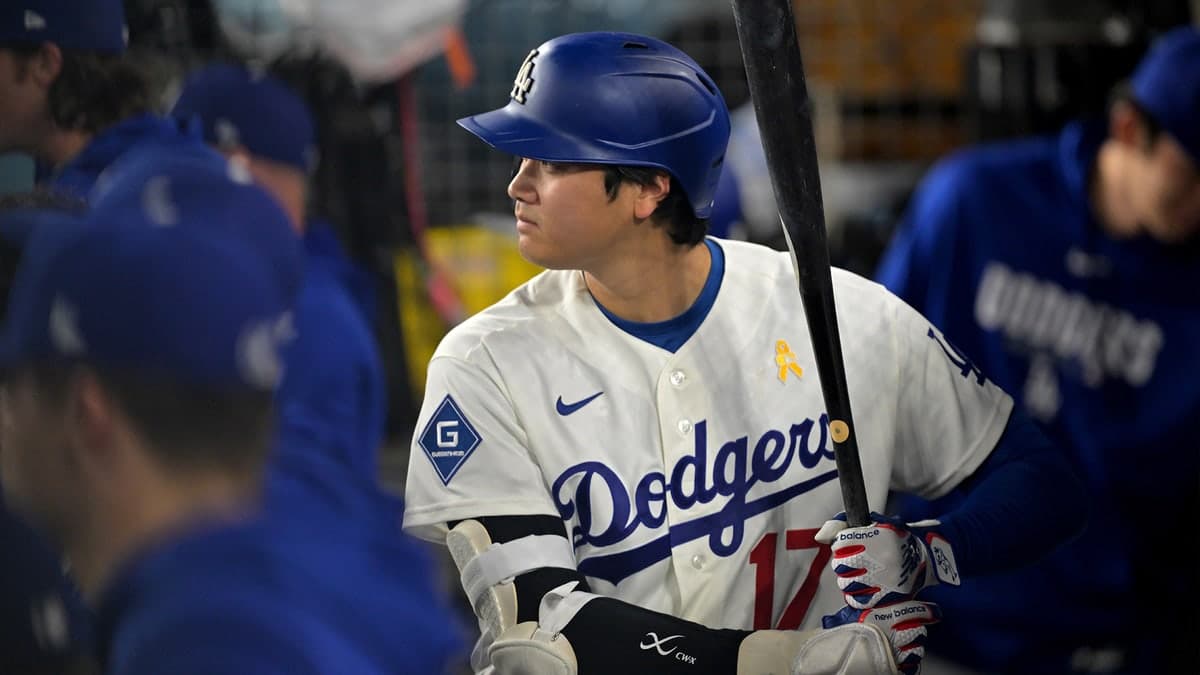
Let’s not pretend the debt crisis exists in a vacuum. This franchise is carrying the most aggressive payroll structure in MLB history, anchored by Shohei Ohtani’s massive deferred contract and Mookie Betts’s $45M annual price tag through 2032. The timing of this financial scandal - right after the trade deadline, with the team riding a 71 - 52 record and a 4.5-game NL West lead - stinks. Fans are asking: if Walter is drowning in debt, who pays Ohtani in 2043?
📊 $68 million annual deferral value for Ohtani - The two-way superstar's contract structure means the Dodgers owe him massive sums decades from now, raising questions about long-term liquidity if ownership is compromised.