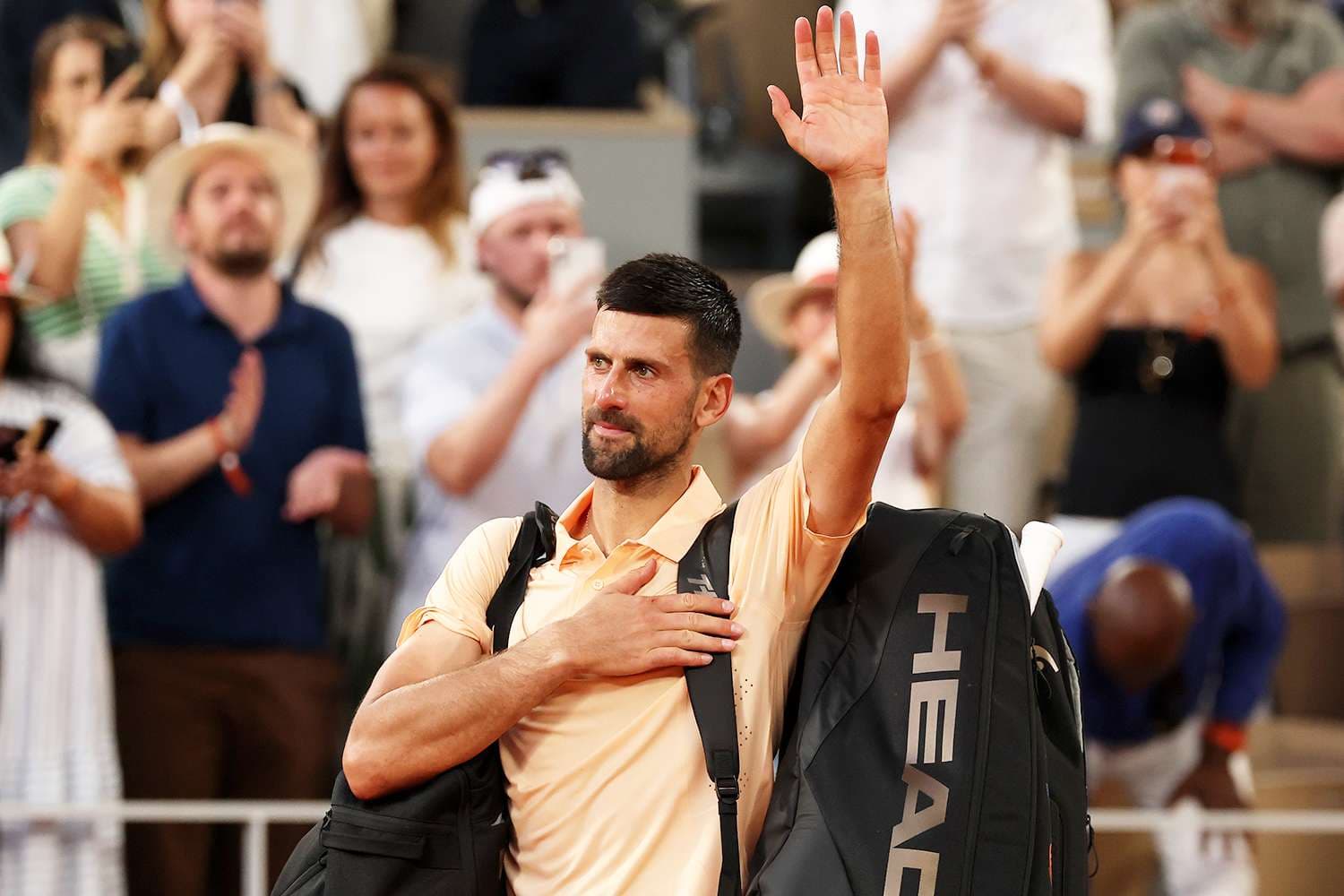
The Shocking Flushing Meadows Exit: What Happened to Novak?
Novak Djokovic’s pursuit of a record 25th Grand Slam title came to a sudden, jarring halt in the early hours of August 30, 2026. The 38-year-old was outplayed by 20-year-old American qualifier Alex Michelsen in a straight-sets defeat (6-4, 7-6 (7-2), 6-4) that stretched past 1:47 a.m. in Arthur Ashe Stadium. But the scoreline only scratches the surface. This wasn't just an off night; it was a physical collapse. Djokovic admitted after the match that he felt “physically flat,” describing heavy legs and an alarming lack of explosive movement from the second set onward. He ruled out a specific tear, calling it "a general fatigue issue." For a champion built on unbreakable stamina, failing to convert a single break point (0-for-3) against a power-serving qualifier sent genuine shockwaves through the tennis world.
The late-night finish only intensified the drama. Michelsen, playing the match of his life, hammered 18 aces and won 82% of his first-serve points, leaving Djokovic constantly chasing shadows. The Serb’s typically laser-guided return game looked sluggish, and his movement - the bedrock of his defensive brilliance - was a full step slow. Fans inside Ashe gasped as routine gets turned into desperate lunges. This wasn't the Djokovic who has owned New York for over a decade; it was a ghost of that ironman, running on fumes and sheer willpower.
Assessing the Injury: Knee, Fatigue, or Something More?
The Lingering Knee Problem
This wasn’t an isolated incident. Djokovic arrived in New York carrying a known issue. Just over a week before the Open, he revealed a lingering right knee inflammation - slight bursitis - a remnant of his Cincinnati Open final loss to Carlos Alcaraz on August 23. He managed it with anti-inflammatories and a reduced practice load, but the explosive hard courts of Flushing Meadows were always going to be the ultimate test. The "heavy legs" he felt on court are a classic symptom of the body overcompensating for a joint that isn't fully right.
Medical Update: The MRI Result
The good news for Djoker Nation is that the panic over a catastrophic injury has been quieted. His long-time physiotherapist, Ulises Badio, confirmed on August 31 that an MRI revealed no structural damage to the knee or hamstring. The official diagnosis is an "acute overload response" - fancy medical terminology for severe tissue stress that has put the brakes on the system. That explains the lack of pop in his serves (he landed just 58% of first serves, well below his season average of 64%) and his inability to chase down Michelsen’s shots.
📊 0-for-3 on break points - Djokovic failed to convert a single break opportunity, a statistical anomaly for the greatest returner in tennis history.
A Season of Setbacks
This marks the third physical setback of a brutal 2026 campaign. He withdrew from the Australian Open semifinal in January with a hamstring strain and retired from the French Open quarterfinal in June with a shoulder issue. With a modest 38-12 record for the season and a drop to World No. 9 looming, it’s clear that grinding out 20 events a year is no longer sustainable. Coach Goran Ivanišević didn't hold back on August 31, stating that Djokovic’s "body isn't responding like it did at 25."
| Event | Date | Issue | Outcome |
|---|---|---|---|
| Australian Open | January 23 | Left hamstring strain | Withdrew pre-semifinal |
| French Open | June 1 | Shoulder issue | Retired in quarterfinal |
| US Open | August 30 | Acute overload response | Third-round exit |
The Road Ahead: Recovery, Ranking, and a Changed Schedule
Skipping Davis Cup, Targeting Shanghai
Immediate recovery is the priority. On August 31, his team announced he will skip the Davis Cup Finals group stage (September 10 - 15) to heal. The next scheduled checkpoint is the Shanghai Masters, starting October 5, 2026. This two-month window is crucial for the inflammation to subside and for conditioning to rebuild. The ranking hit is significant - dropping to No. 9 on September 8 - but with the season nearing its end, his team seems more focused on longevity than on chasing points.