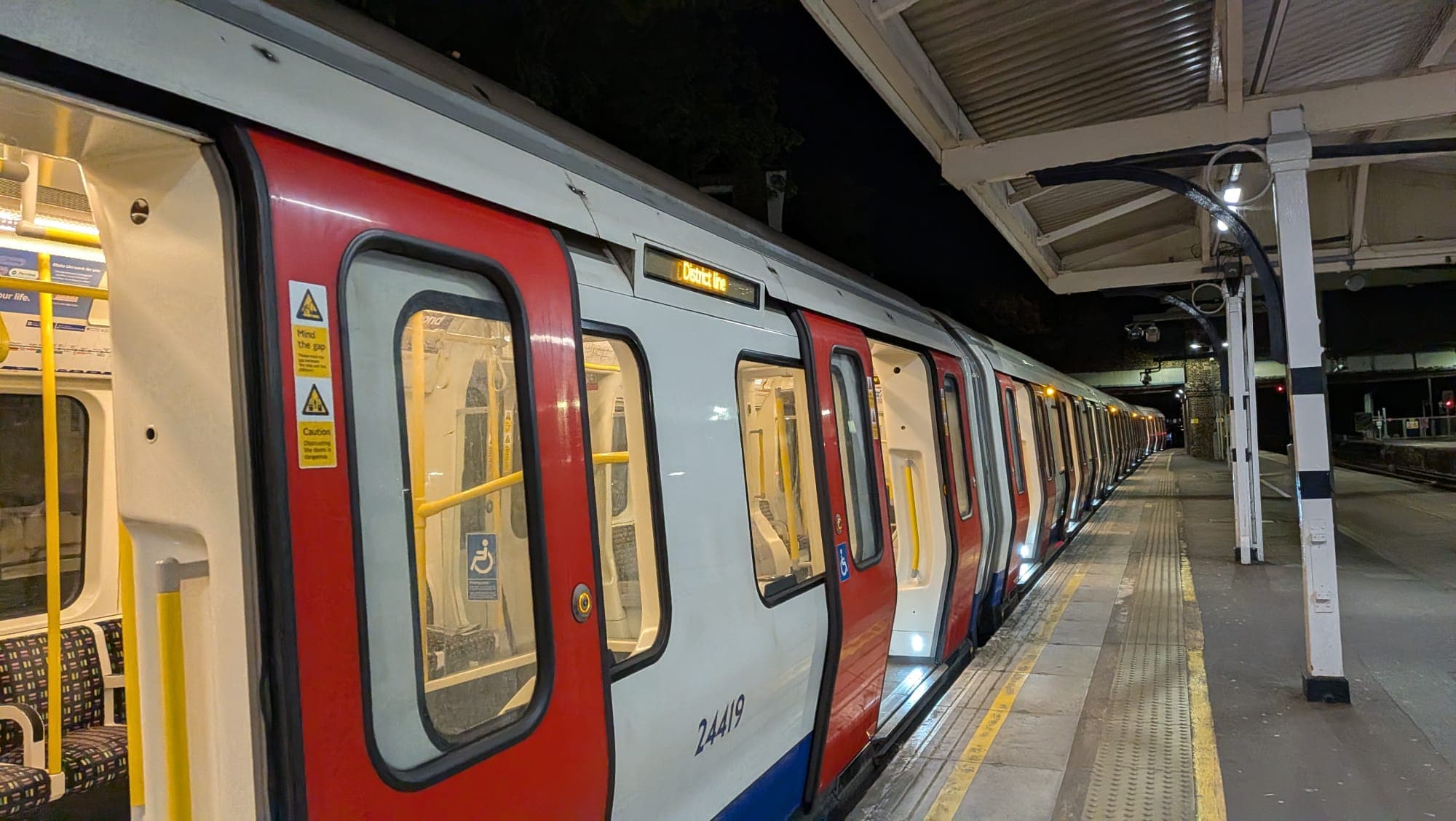
The Frustration Boils Over as Commuters Plan Rare Tube Protest
Forget transfer sagas and title races - the real battle on the District Line this week is between fed-up passengers and the daily lottery of getting to work. After months of delays, short-notice cancellations, and a peak-time service reduction that’s left platforms crammed like the North Stand at full time, regulars are finally snapping. A grassroots passenger group, fed up with what they call “repeated disruption” on the green line, is now rallying for a coordinated protest at key stations, demanding TfL restore the service they pay a premium for.
The core grievance? It’s not just the odd signal failure. It’s the systemic squeeze. Since late July, TfL has quietly slashed peak-hour trains by up to four per hour - dropping from 24 to 20 - blaming a crew shortage that won’t be fixed until October. For the thousands who pack into carriages at Fulham Broadway, Earl’s Court, and Mile End, that means sardine conditions every single morning. And with no end in sight until autumn, patience has run dry. The protest, slated for next week, isn’t just about being late - it’s about feeling ignored by the very people tasked with moving the city.
Passengers are pointing to a simple, undeniable fact: they’re paying full fare for a half-service. Delays of 15 minutes or more trigger a refund of just £4.20 - hardly compensation for a missed meeting or a childcare panic. The group behind the protest is demanding immediate action, including a public apology from TfL, a concrete timeline for full service restoration, and free travel on any day where disruption exceeds 30 minutes. It’s a playbook familiar to any sports fan - when the team underperforms, you don’t just boo; you demand the manager’s head. Here, the manager is TfL, and the fans are boiling over.
📊 4 fewer trains per hour during peak times - The District Line has dropped from 24 to 20 trains hourly, creating sardine-can conditions every morning rush.
Why This Feels Like a Penalty Shootout Loss for TfL
The Crew Crunch That Turned the Line Into a Bottleneck
Let’s break down the real villain of this story: the driver shortage. TfL announced the temporary timetable cut on July 22 with a promise it would only last until October. But for regulars, that’s an eternity. The reduction hits the busiest commuter windows hardest - exactly when you’d expect a top-tier service. Losing four trains per hour during the morning rush is the equivalent of your star striker being benched for a month with no replacement. The result? Platforms that look like a cup final crowd, sweat-soaked suits, and tempers flaring faster than a VAR review.
The knock-on effect isn’t just miserable commutes - it’s economic. Businesses near stations like Victoria and Tower Hill are feeling the pinch as workers arrive late or skip the office entirely. With the protest looming, local communities are rallying around the cause, and social media has become a digital picket line. Hashtags like #DistrictLineDisaster and #RestoreOurTrains are trending among daily users, with thousands sharing photos of crammed carriages and 20-minute waits. It’s a PR nightmare for TfL, who are suddenly defending a service that feels anything but world-class.
| Metric | Pre-July 2026 | Current (Aug 2026) |
|---|---|---|
| Trains per hour (peak) | 24 | 20 |
| Average wait time | 2.5 minutes | 3+ minutes |
| Peak crowding level | Busy | Severe |
| Restoration date | N/A | October 2026 |
The £4.20 Refund: A Token That Rings Hollow
Here’s where it stings most: the compensation system. If you’re delayed 15 minutes or more on the District Line, TfL offers a £4.20 refund - for a single Zone 1 - 6 journey. That might cover a meal deal, but it doesn’t cover your dignity after being squeezed like a rush-hour sardine. The claim window is also a hassle: you have just 14 days to file, and each claim is a bureaucratic chore. Passengers aren’t asking for a handout; they’re asking for a service that runs as advertised. The protest’s demand for free travel on days with prolonged disruption is a direct challenge to TfL’s methodology - fix the problem, or pay the price.