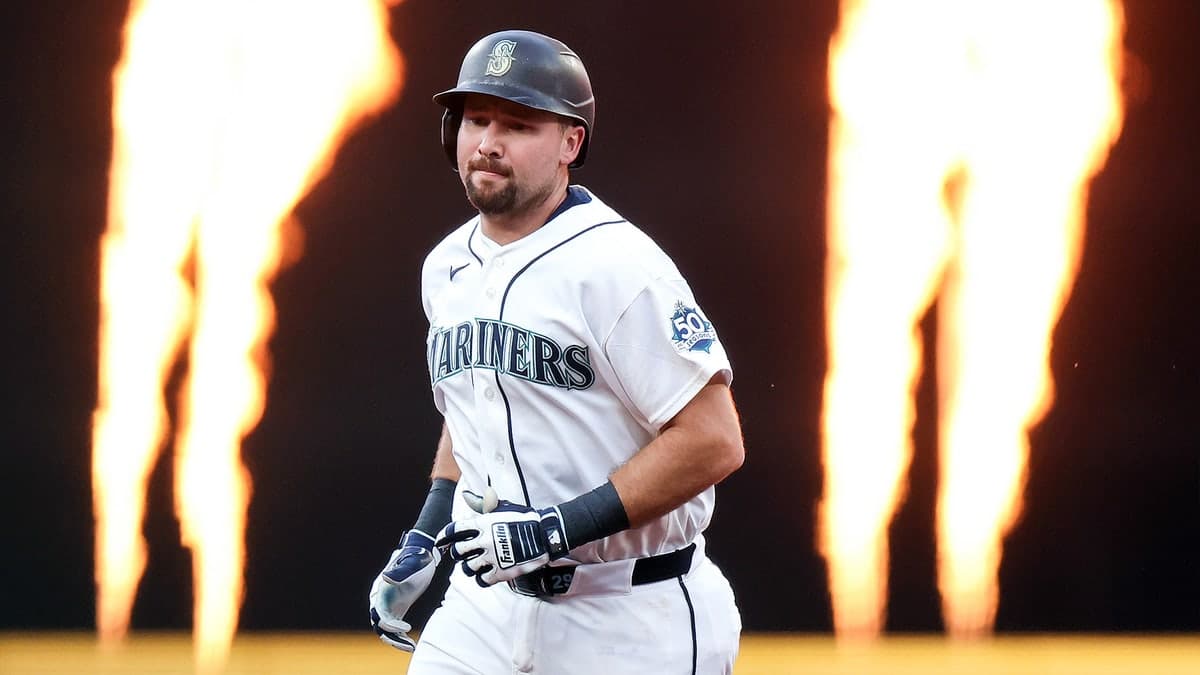
Cal Raleigh Breaks the Seal: A Career Night in Seattle
For 122 games, it felt like the baseball gods had forgotten where Cal Raleigh lived. The man who once launched 30 bombs and earned the nickname “Big Dumper” was stuck in the muck, slugging a mortal .371 while striking out at a career-worst clip. Then came a crisp Tuesday night at T-Mobile Park, and the dam didn’t just crack - it exploded. Raleigh didn’t merely hit a homer; he hit three, marking the first multi-homer game of his career and his first career three-homer night. Here’s how the slump died, why the eighth inning mattered more than the fourth, and what this means for a Mariners lineup clinging to a Wild Card pulse.
The scene was electric from the first pitch. Seattle’s playoff hopes have dangled by a thread all month, and the crowd of 39,112 showed up desperate for a spark. They got one from a catcher who had been swinging like a man carrying a piano on his back. Raleigh’s night wasn’t just a breakout - it was a declaration. The Big Dumper is back, and the American League West just got a whole lot more interesting.
The Night Shift: A Slump Dies in Three Swings
Let’s not bury the lead: Raleigh had exactly one homer in his previous 22 games, and exactly zero in his last nine. So when he turned on a 2-1 fastball from Angels’ right-hander Jack Kochanowicz in the bottom of the second, it felt less like a breakthrough and more like a glitch. The line drive barely cleared the right-field wall, and the dugout response was vintage Seattle: cautious high-fives, not a mosh pit.
The second one changed the vibe. A hanging slider in the fourth landed in the second deck, and the crowd finally woke up. Raleigh’s exit velocity on that one - 107.8 mph - was his hardest hit since June. For a guy who had been pulling off pitches and rolling over weak grounders, this was the mechanical reset the Mariners’ hitting coaches had been begging for. He was staying back, letting the ball travel, and the results were violent.
Then came the exclamation point in the eighth. With two on and two out, Angels reliever José Quijada tried to sneak a back-foot cutter past him. Raleigh’s swing was short, explosive, and surgical. The ball sailed 421 feet to dead center - his farthest blast of the season. As he rounded the bases, the T-Mobile crowd chanted his name. The slump wasn’t just over; it was annihilated.
📊 107.8 mph exit velocity on homer #2 - His hardest-hit ball since June, proving the power was still there, just buried under bad mechanics.
| Homer | Inning | Pitcher | Pitch | Distance | Exit Velocity |
|---|---|---|---|---|---|
| 1st | 2nd | Kochanowicz | 2-1 Fastball | 378 ft | 101.2 mph |
| 2nd | 4th | Kochanowicz | Hanging Slider | 402 ft | 107.8 mph |
| 3rd | 8th | Quijada | Back-foot Cutter | 421 ft | 106.5 mph |
The Bigger Picture: Why This Night Matters for Seattle’s Playoff Push
Let’s not pretend this was just a feel-good story. The Mariners entered the night 4.5 games back in the Wild Card race with 34 left to play. Their offense ranked 27th in runs scored, and Raleigh’s .198 average was the anchor dragging the entire middle of the order down. This breakout wasn’t a luxury - it was a lifeline.
The ripple effect is real. With Raleigh suddenly dangerous, the Mariners can stop over-shifting to protect the left side of the infield. That opens lanes for Julio Rodríguez, who had been seeing a steady diet of defensive shifts because the lineup behind him lacked teeth. It also takes pressure off Mitch Garver, who’s been forced to hit cleanup in Raleigh’s stead and is batting .176 since July 1. Manager Scott Servais didn’t say it outright, but you could see it in his postgame grin: “That’s the Cal we’ve been waiting for. If he’s locked in for a month, we’re a dangerous team.”