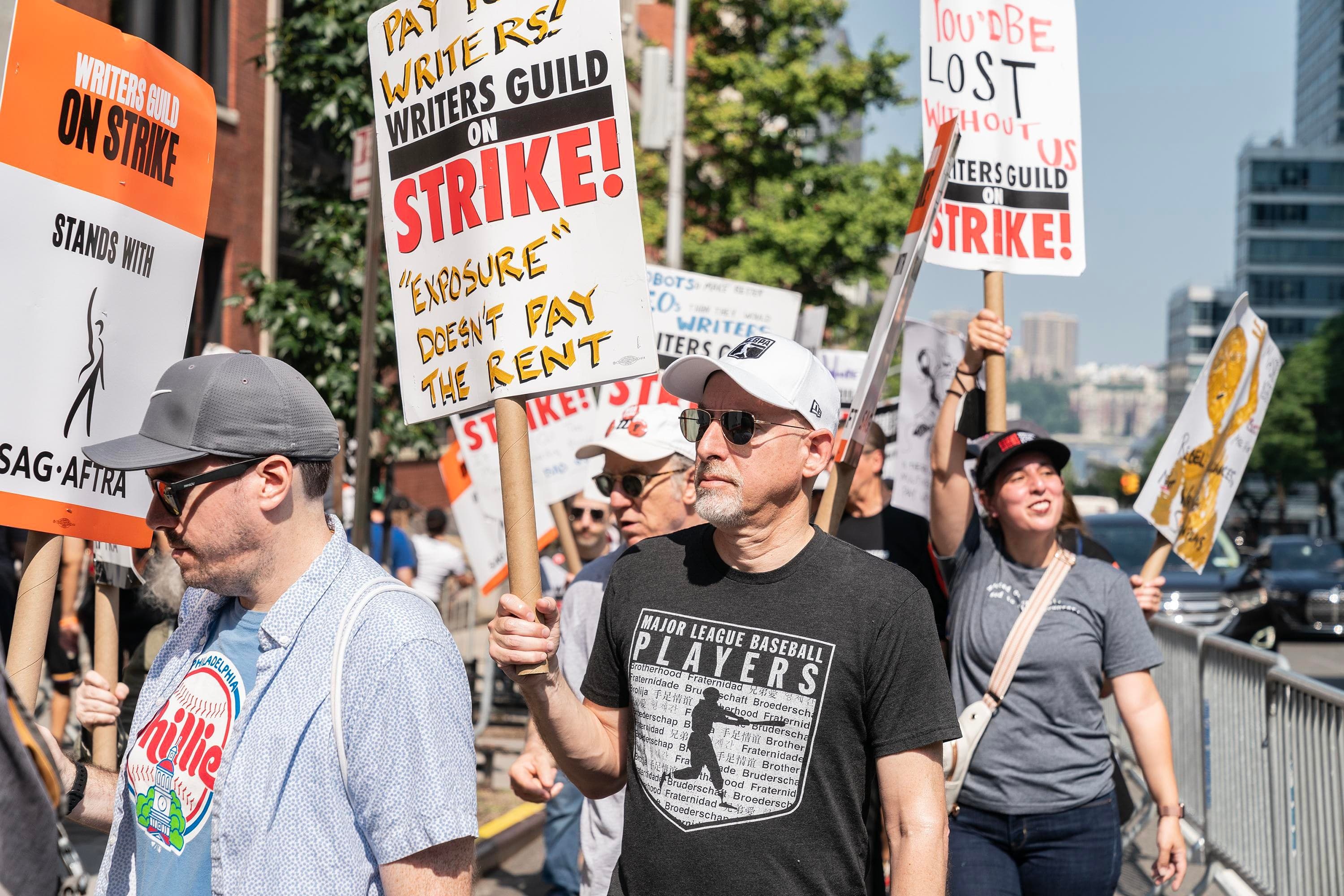
Labor Day weekend. For most of America, it’s the unofficial end of summer - last beach trips, back-to-school chaos, and the final stretch of a pennant race. But for Major League Baseball, this September 6, 2026 feels less like a celebration of the working class and more like the loading screen before a boss fight. The clock is ticking toward December 1, 2026 - the expiration date of the current Collective Bargaining Agreement - and the sport is bracing for a potentially catastrophic work stoppage that could erase the 2027 season.
Two years ago, the Los Angeles Times nailed the zeitgeist with an editorial titled “From factories to MLB’s front offices - Labor Day on the cusp of baseball’s labor war.” It was a warning shot. Now, with the offseason just weeks away, that headline reads less like prophecy and more like a countdown timer. Every trade, every broadcast deal, every front-office move between now and the Fall Classic is happening in the shadow of a labor fight that could redefine the sport.
The Ghost of 2021-22: Scars That Haven’t Healed
Let’s not pretend this is uncharted territory. The last negotiation produced a 99-day lockout that nearly torched the 2022 season. Players blinked first, accepting a deal that owners initially claimed they never wanted. But here’s the thing - the MLBPA, still led by Executive Director Tony Clark after his 2024 re-election, learned a brutal lesson from that experience: owners will bleed the calendar dry before budging on core economic structures. They’ll sacrifice regular-season games, fan goodwill, and even their own short-term revenue just to prove a point.
That’s not speculation - that’s history repeating itself. The 2021-22 lockout ended only when the owners’ opening financial demands started hurting their own pocketbooks. The union knows this. They know the owners fear an empty stadium more than an empty negotiating table. But the owners also know the players fear missing paychecks more than they fear a long fight. It’s a cold war where both sides hold loaded weapons - and neither wants to fire first.
The difference this time? The stakes are higher. The 2026 postseason hasn’t even started yet, and already the rhetoric feels more hostile than the last cycle. The media rights landscape has crumbled, the revenue pie is shifting, and both sides are sharpening their knives for what promises to be the most consequential negotiation since the 1994 strike wiped out the World Series.
📊 99 days - The length of the 2021-22 lockout, the second-longest work stoppage in MLB history. Both sides are preparing for a longer fight this time.
The Core Battlegrounds: Money, Math, and the New Economic Reality
Forget pitch clocks and shift restrictions - those fights are settled. The next CBA war is purely about dollars and cents, and specifically, how a shrinking (or reallocating) revenue pie gets split between haves and have-nots. The Competitive Balance Tax (CBT) remains the linchpin. Owners see it as their only firewall against runaway spending. The union sees it as an artificial ceiling suppressing star salaries and middle-class player earnings alike.
Table: Key CBA Flashpoints Heading Into Negotiations
| Issue | MLBPA Position | Owners’ Position | Likely Flashpoint |
|---|---|---|---|
| CBT Thresholds | Raise significantly or eliminate as de facto cap | Keep punitive to curb spending | First wall hit in talks |
| Revenue Sharing | Require small-market teams to spend subsidies on payroll | Push for larger shared slices | Trust deficit on both sides |
| Expanded Playoffs | Resist - dilutes regular season, lengthens schedule | Want more inventory and engagement | Owners’ primary trade chip |
| Pace-of-Play Tweaks | Open to minor adjustments | Want further timing changes | Low stakes, easier compromise |
The small-market squeeze is real. Clubs like the Pirates, Athletics, and Rays have long argued they need a larger slice of shared revenue to compete. But the union’s counter is devastating: look at the teams pocketing subsidies while running sub-$70 million payrolls. The problem isn’t a lack of revenue - it’s a lack of enforcement. Expect this to be the first wall hit in formal negotiations.