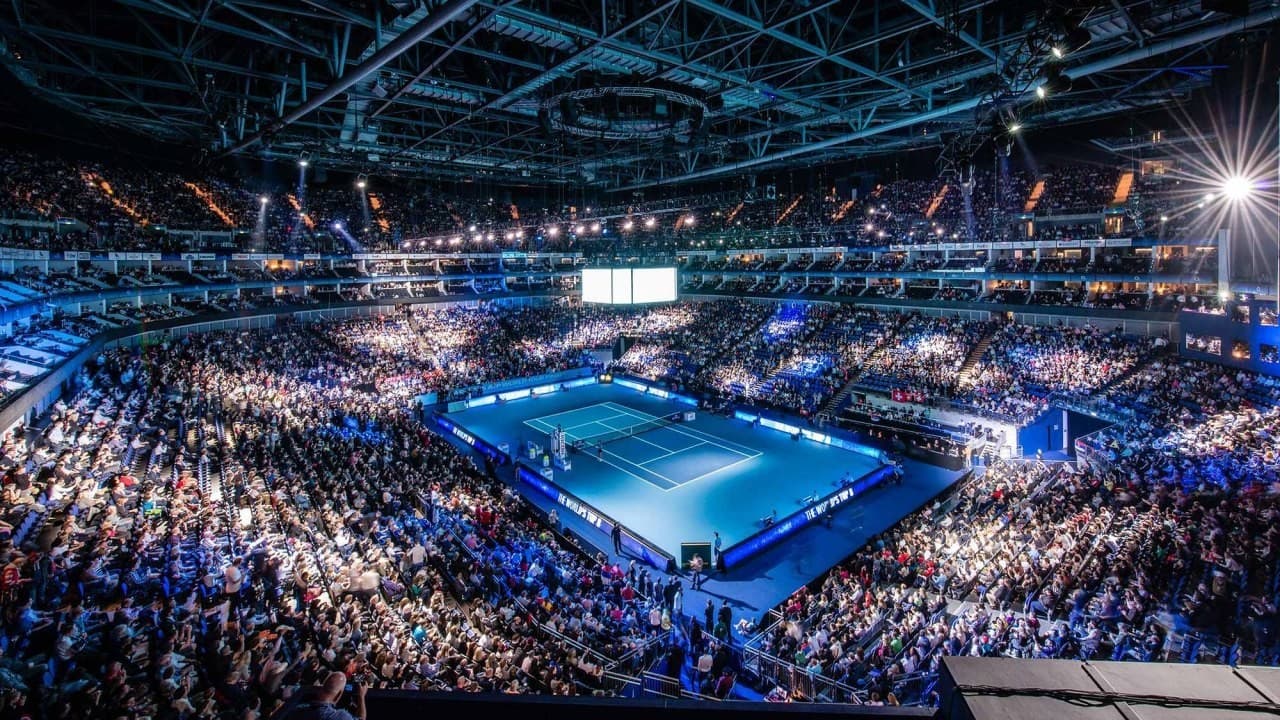
The tennis calendar flips its final page this week as the 2026 US Open kicks off at Flushing Meadows. With the seeds officially locked in and the draws sending shockwaves through the locker room, this tournament is far more than a last Grand Slam hurrah. It is the ultimate pressure cooker that will dictate rankings, redefine rivalries, and set the tone for the Asian swing and the ATP/WTA Finals. This is the moment where the US Open: what it means for the rest of the tennis season becomes crystal clear - survive New York, and you control your destiny. Here is what the next fortnight really means for the rest of the season.
The Draw Drama: Setting Up the Season’s Biggest Rivalries
The release of the official seeds has immediately thrown the narrative into overdrive. Alexander Zverev and Aryna Sabalenka lead their respective draws as the top seeds, but the real story lies in the bracket architecture. The ATP Tour confirmed that Carlos Alcaraz and Novak Djokovic are placed in the same half, setting up a potential blockbuster semifinal that could effectively decide the "hard court king" title for 2026. For the rest of the season, this matchup isn't just about a trophy; it's about psychological dominance heading into the indoor hard-court circuit. Whoever walks out of that semifinal with a win carries an aura that opponents will fear in Shanghai, Paris, and Turin.
On the women's side, the pressure is equally intense. Sabalenka's path is fraught with big-hitting threats, but all eyes are on the potential fourth-round clash featuring Alex Eala. The young Filipino star has drawn a possible meeting with a multiple Slam winner, a test that could catapult her into the upper echelon of the tour just as the season's ranking points become most valuable. These early-round landmines mean that the "rest of the season" starts now - surviving New York is the prerequisite for any late-year momentum. One bad day in Queens and your entire fall schedule changes complexion.
The Wildcard Factor: Mixed Doubles Momentum
Before the main draw even settled, the mixed doubles final delivered a preview of the young talent ready to steal the spotlight. Jakub Mensik and Karolina Muchova took home the title, with Mensik's pre-match text about coordinating outfits proving to be the lucky charm. For Muchova, this victory is a massive confidence boost as she looks to translate that chemistry into singles success. For Mensik, it signals a coming-of-age moment on the biggest stage, suggesting he is a genuine threat for the ATP Finals qualification race. These are the stories that define the US Open: what it means for the rest of the tennis season is often written by unexpected champions who use New York as their launching pad.
| Player/Storyline | Seed/Status | What's at Stake |
|---|---|---|
| Alexander Zverev | Men's No. 1 | Year-end No. 1 ranking security |
| Aryna Sabalenka | Women's No. 1 | Defending hard-court supremacy |
| Alcaraz vs. Djokovic | Same half | "Hard court king" bragging rights |
| Alex Eala | Unseeded | Breakthrough into top-tier status |
| Mensik & Muchova | Mixed champs | Momentum for singles & Finals race |
The Qualification Grind: Building Blocks for the Asian Swing
While the big names strategize, the qualifying rounds have already produced heartbreak and hope. The Aussie contingent - Chris O'Connell, Tristan Schoolkate, and Storm Hunter - are all one win away from the main draw. For these players, a main-draw appearance here is the financial and ranking boost needed to secure entries into the Asian swing events in Shanghai and Tokyo. Winning a match in New York can be the difference between playing the ATP/WTA 500 events in the fall or being stuck on the outside looking in. The US Open acts as the great separator, sorting out who has the stamina to compete deep into November.
📊 Aussie trio one win from main draw - O'Connell, Schoolkate, and Hunter all survived another qualifying day, keeping their US Open dreams alive as of August 27.