On the surface, a minor league deal barely registers on the sports news ticker. Yet over the last 48 hours alone, four notable names - Brent Honeywell Jr. to the Padres, Casey Lawrence to the Phillies, Justin Topa to the Yankees, and Lyon Richardson back to the Brewers - have signed on the dotted line. These aren't franchise-altering splashes. They're calculated gambles, and they happen dozens of times every summer.
Here's what actually goes into these contracts, and why front offices treat them like lottery tickets with decent odds.
The Fine Print Nobody Reads
A minor league deal isn't just a demotion in waiting. It's a structured bet that often includes an invitation to big league spring training, a base salary that jumps if the player makes the MLB roster, and opt-out clauses that give veterans a chance to explore other opportunities. In August 2026, with rosters expanding in September and the postseason picture coming into focus, these clauses matter more than ever.
For teams, it's risk-free depth. For players, it's a lifeline. The contract essentially says, "We think you've got something left, but we're not willing to guarantee it." That tension - between hope and hesitation - is the engine behind every signing announcement.
The Players and the Pressure
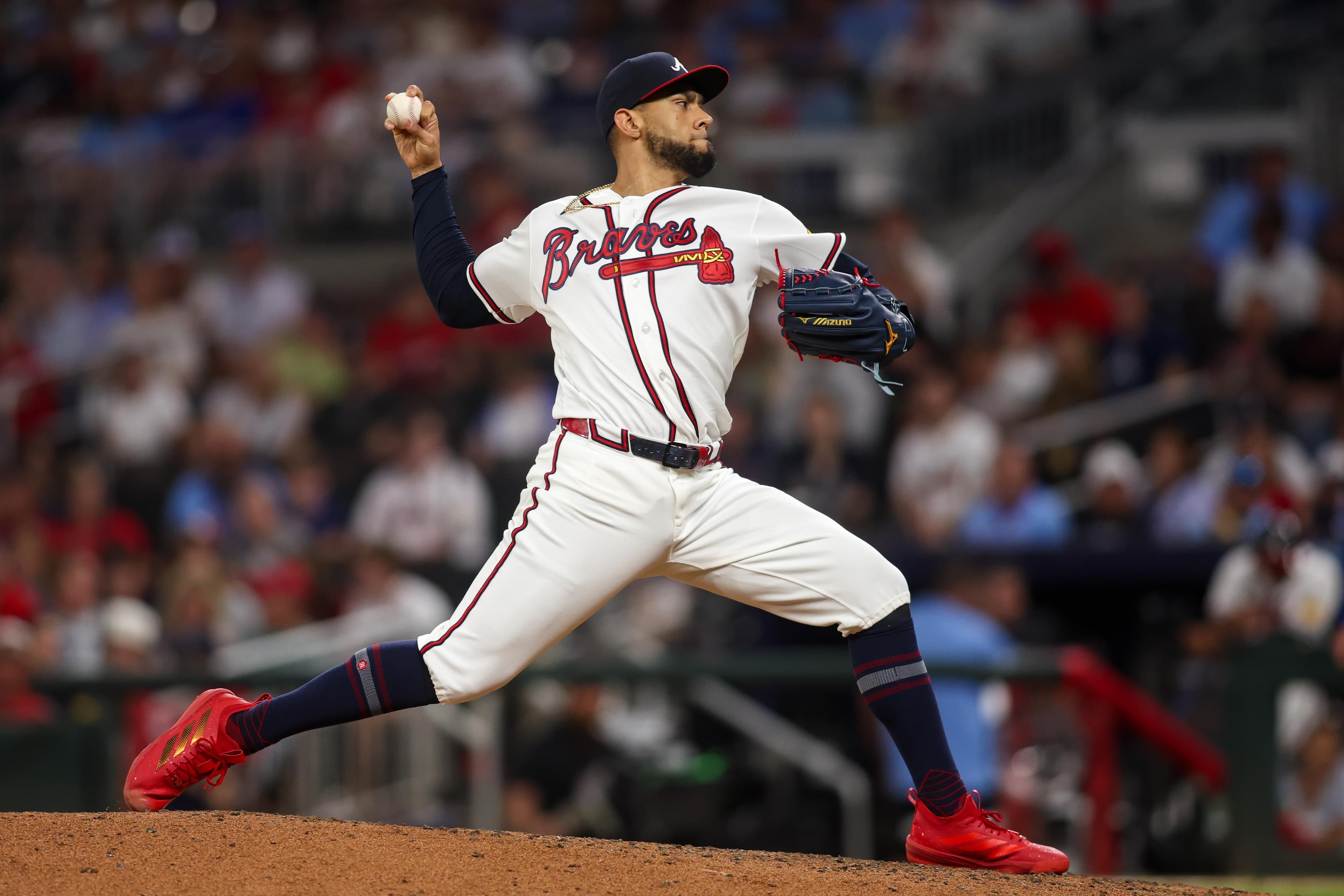
Let's get specific. Brent Honeywell Jr. has been a tantalizing arm since his Tampa Bay days, battling through injuries while flashing that elite screwball. San Diego is desperate for bullpen length as they chase a wild card spot. On paper, it's a perfect match. But Honeywell isn't just competing against opposing hitters; he's competing against roster spots, 40-man considerations, and the clock.
📊 Four minor league deals signed in 48 hours (August 14-15, 2026) - That's an unusually high volume for mid-August, signaling contenders are already shoring up depth for the playoff push.
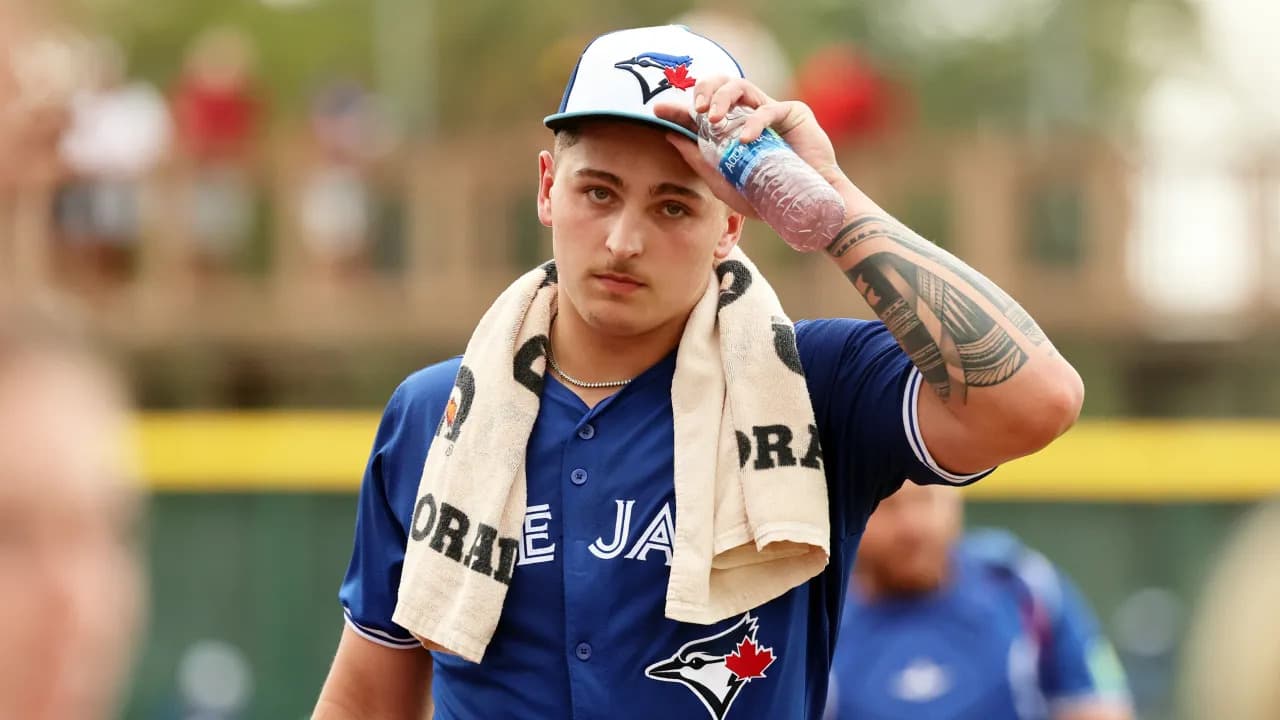
Justin Topa to the Yankees is another fascinating layer. New York's bullpen has been a revolving door in 2026, and Topa's sinker-heavy approach could stabilize the middle innings. But the Yankees are all-in on a title run - there's no time for slow development. Topa needs to show out immediately or he's back in Scranton.
Casey Lawrence to the Phillies is the classic veteran depth move. At his age, he's not a prospect anymore. He's an insurance policy who knows how to pitch, not just throw. And Lyon Richardson back to Milwaukee? That's the Brewers betting on upside they already know.
| Player | Team | Date Announced | Role/Profile |
|---|---|---|---|
| Brent Honeywell Jr. | Padres | Aug 15 | Righty reliever, elite screwball, injury history |
| Casey Lawrence | Phillies | Aug 15 | Veteran innings-eater, pitching depth |
| Justin Topa | Yankees | Aug 14 | Sinker-ball reliever, middle-innings stabilizer |
| Lyon Richardson | Brewers | Aug 14 | Returning athletic arm, upside bet |
The September Factor
Here's the part fans miss: September roster expansion changes everything. Teams can carry extra arms, and those minor league deals become auditions for October. A player who signs in mid-August can go from Triple-A anonymity to postseason bullpen arm in three weeks. That's the dream - and the pressure - for every player who puts pen to paper on one of these contracts.
Remember what MLB Trade Rumors reported about the Honeywell deal: he's not just fighting for a roster spot - he's fighting for a narrative. A strong three-week stretch could rewrite his entire career arc.
How Fans and Teams Win
For fans, minor league deals rarely move the needle. But they should. These signings signal how contenders think about their weaknesses. When the Padres grab Honeywell, it tells you they're worried about innings. When the Yankees add Topa, it tells you they're scrambling for reliability. Every quiet transaction is a tell.
For teams, the value is in the volume. Sign five or six guys to minor league deals, and you only need one to hit. That's how a mid-August afterthought becomes a September hero. That's how a team like the Brewers finds a bullpen anchor without sacrificing a prospect or exceeding the luxury tax.
📊 Opt-out clauses spike in August - Veterans negotiating now typically include early-September opt-outs, forcing teams to promote or lose them entirely.